Why 3D Printed Models Are Revolutionizing Dentistry


The Rise of 3D Printing in Dentistry
The integration of 3D printing technology into dentistry is transforming the industry in unprecedented ways. This innovative approach is revolutionizing various aspects of dental care, from diagnostics to treatment, offering numerous benefits for both practitioners and patients. With its ability to produce precise and customized dental models, 3D printing is leading a new era in dental technology.
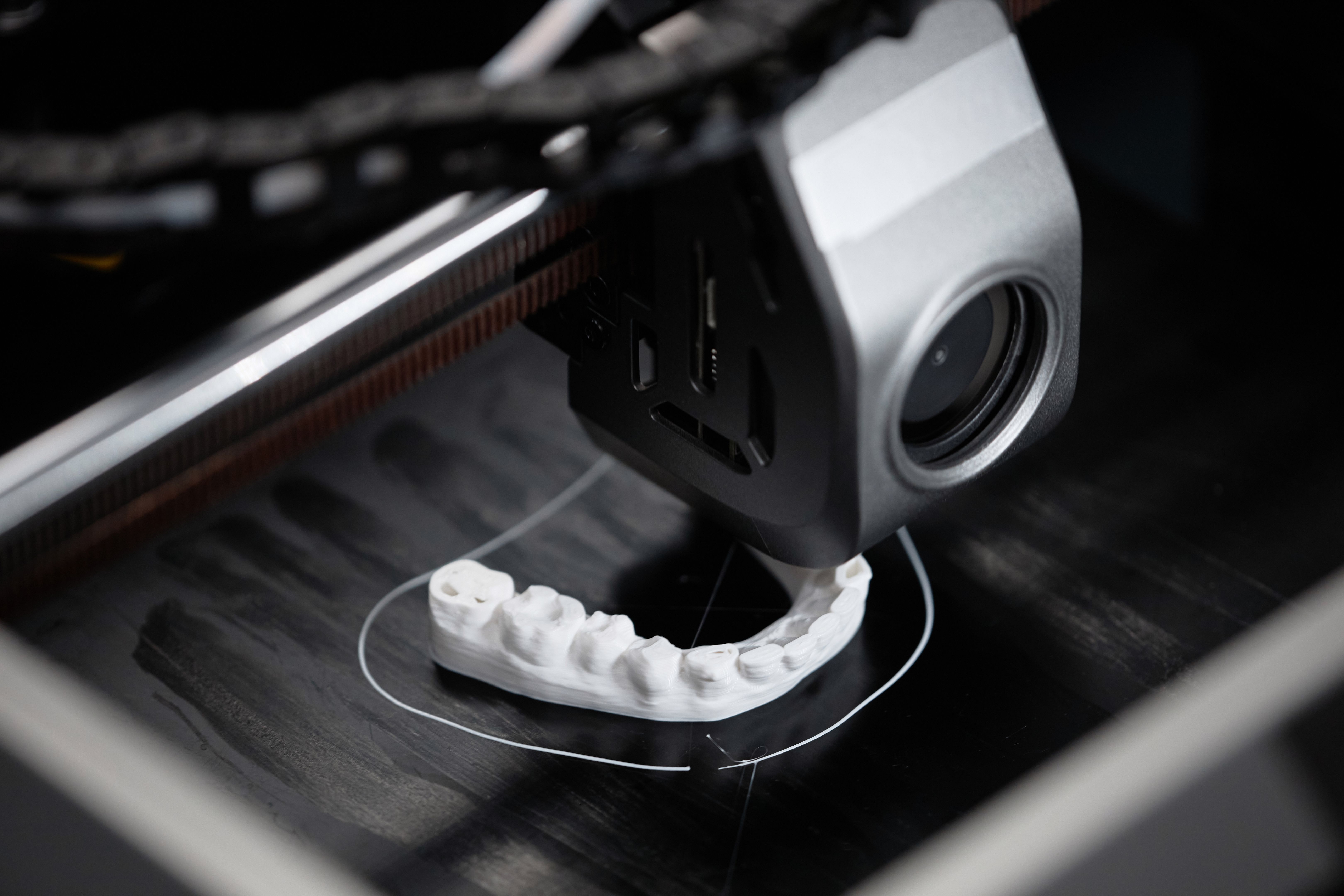
Enhanced Precision and Customization
One of the most significant advantages of 3D printed models in dentistry is the enhanced precision they offer. Traditional methods often involve a degree of approximation, whereas 3D printing allows for exact replication of dental structures. This precision leads to better-fitting dental appliances and prosthetics, improving patient comfort and treatment outcomes.
Customization is key in dental care, and 3D printing excels in this area. Dentists can create highly personalized models tailored to individual patient needs, ensuring a more effective treatment plan. Whether it’s a crown, bridge, or implant, the ability to customize products enhances the overall quality of care.
Faster Turnaround Times
Traditional dental practices often involve lengthy processes, with multiple visits required for fittings and adjustments. 3D printing significantly reduces these turnaround times. Dental models can be produced quickly, sometimes within a single appointment, enabling dentists to provide faster solutions to their patients.
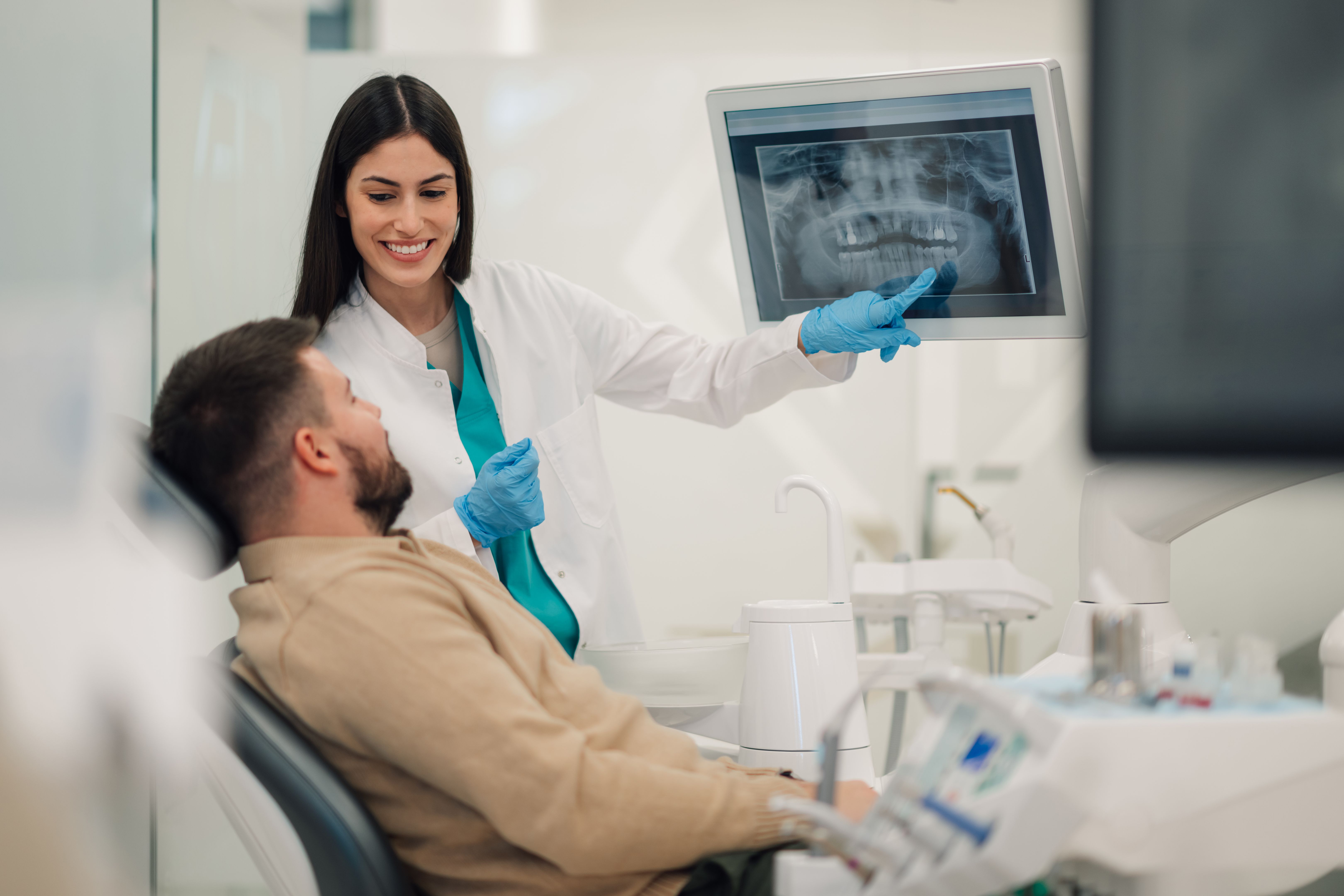
This speed not only improves patient satisfaction but also increases efficiency within dental practices. By minimizing wait times and streamlining workflows, dentists can treat more patients, enhancing practice productivity.
Cost-Effectiveness
While the initial investment in 3D printing technology might seem substantial, the long-term savings are noteworthy. By reducing material waste and labor costs, 3D printing offers a cost-effective solution for dental practices. The ability to produce models in-house also eliminates the need for outsourcing, further reducing expenses.
Moreover, the precision of 3D printing minimizes the need for adjustments and remakes, saving time and resources. This cost-effectiveness is a significant factor in the growing adoption of this technology within the dental industry.
Improved Patient Experience
3D printing enhances the overall patient experience in several ways. The accuracy of 3D printed models leads to better-fitting appliances, reducing discomfort and the need for frequent adjustments. Patients benefit from quicker treatments and are often more engaged in the process, as they can see tangible models of their dental structures and proposed treatments.

Additionally, the use of digital scans and 3D models can alleviate anxiety for some patients, as they better understand the procedures and expected outcomes. This transparency fosters trust and communication between patients and providers.
The Future of 3D Printing in Dentistry
As technology continues to evolve, the role of 3D printing in dentistry is expected to expand even further. Innovations such as biocompatible printing materials and more sophisticated software are on the horizon, promising even greater precision and versatility.
Overall, 3D printing is a game-changer in the field of dentistry, offering numerous benefits that enhance both practice operations and patient care. As more dental professionals embrace this technology, it will undoubtedly continue to revolutionize the industry, paving the way for more efficient, accurate, and personalized dental treatments.