Understanding the Benefits of 3D Printed Dental Models for Patients


Revolutionizing Dental Care with 3D Printed Models
The field of dentistry is undergoing a significant transformation thanks to the advent of 3D printing technology. This innovative approach offers numerous benefits, not only for dental professionals but also for patients. By understanding how 3D printed dental models work, patients can appreciate the enhancements in care and outcomes these models provide.
Enhanced Precision and Customization
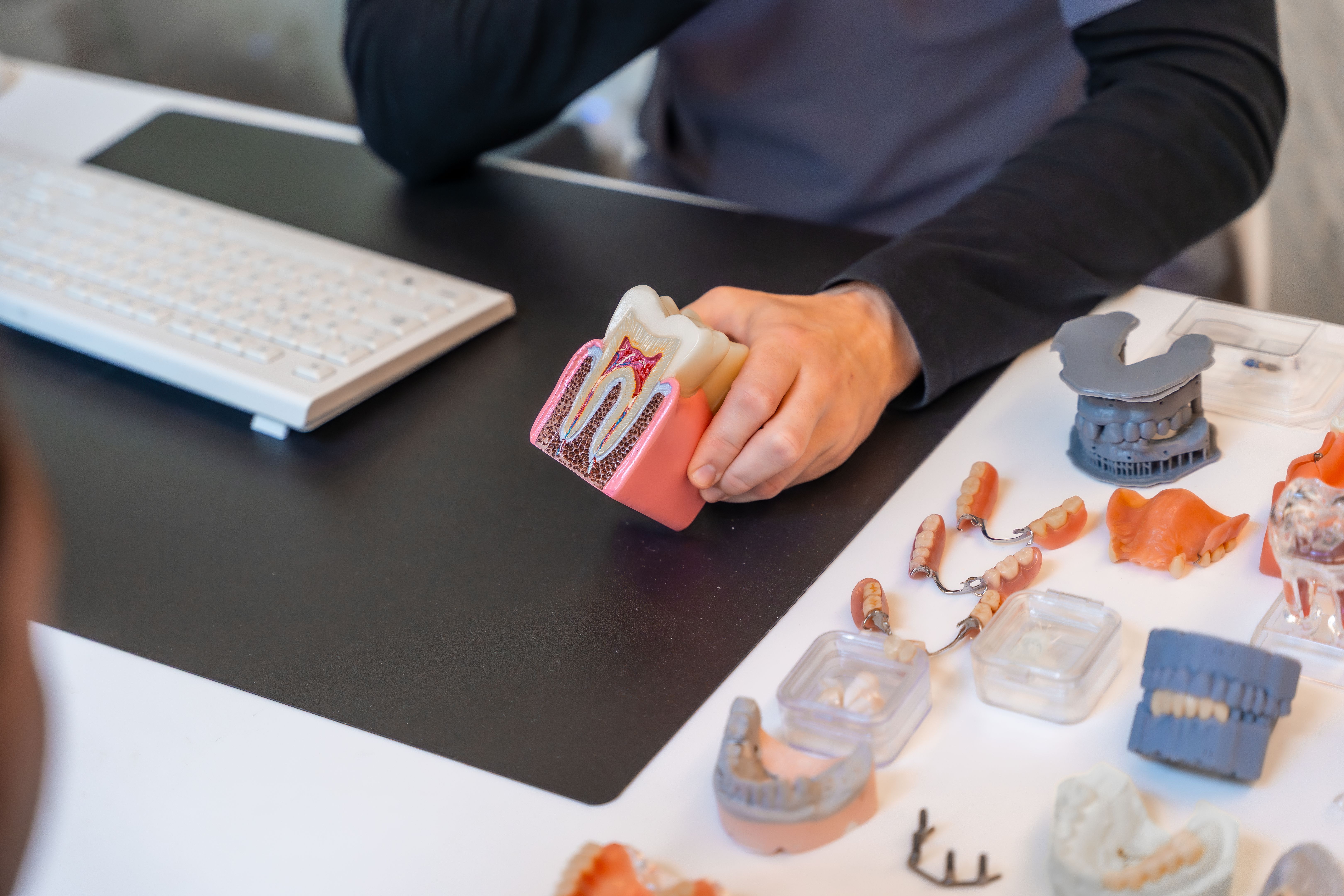
One of the standout benefits of 3D printed dental models is the level of precision they offer. Traditional methods of creating dental models can often fall short in accuracy. However, with 3D printing, dentists can produce highly detailed and customized models that perfectly match a patient's unique dental anatomy. This precision ensures better fitting dental appliances, which can significantly improve patient comfort and treatment efficacy.
Customization is key in dental care, and 3D printing allows for a tailored approach. Whether it's a crown, bridge, or orthodontic appliance, the ability to customize each piece to the individual's needs leads to better results and increased patient satisfaction.
Improved Patient Communication and Education
3D printed models serve as excellent educational tools for patients. Dentists can use these tangible models to explain complex procedures, enabling patients to visualize the process and outcome more clearly. This enhanced understanding helps patients make informed decisions about their care.
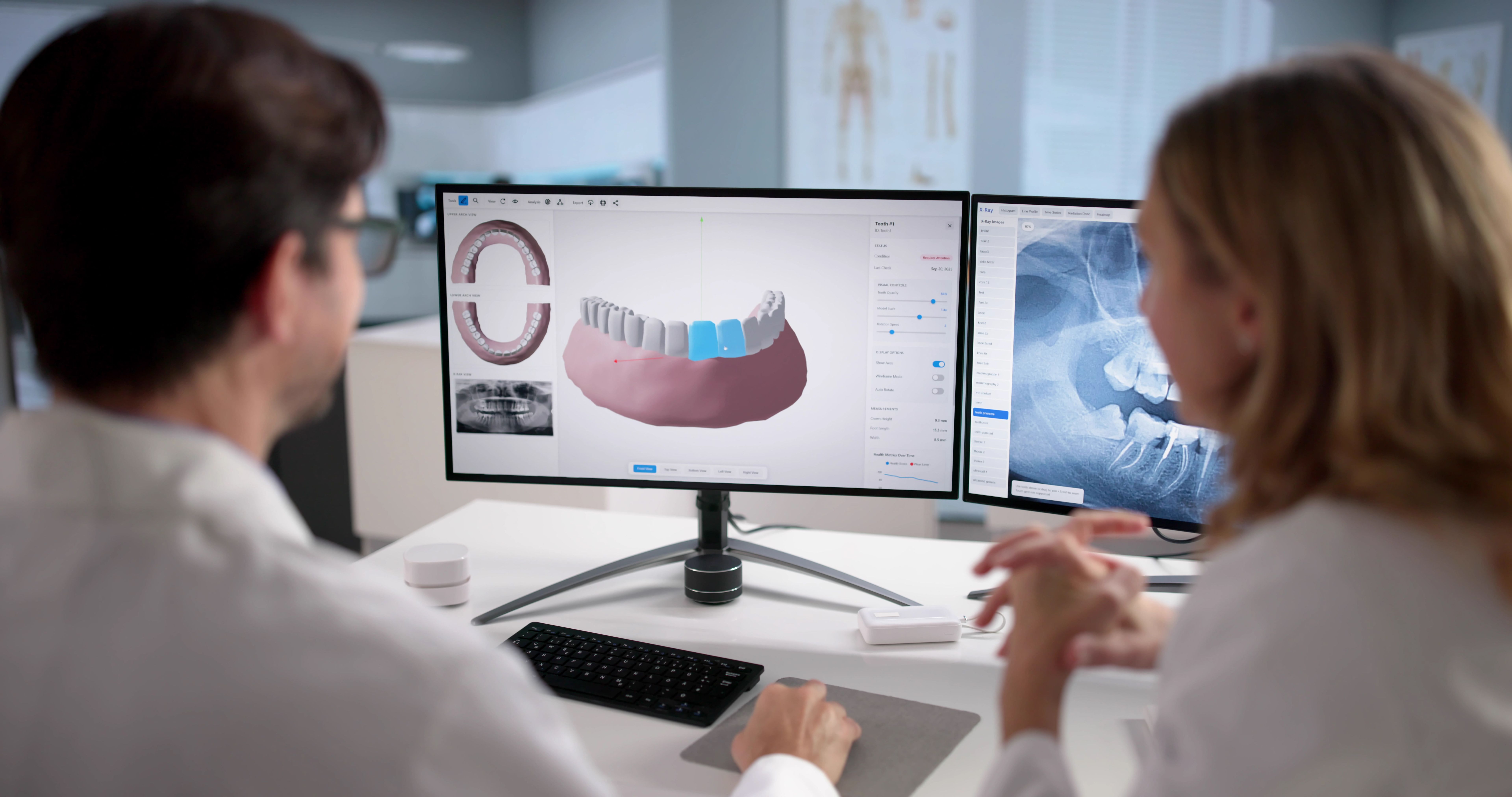
Furthermore, having an actual model to demonstrate potential issues or treatment plans can reduce anxiety and build trust between the patient and the dentist. When patients can see and hold a representation of their teeth, it demystifies the process and makes them more comfortable with the proposed treatments.
Efficiency and Time Savings
Incorporating 3D printed models into dental practices can lead to significant time savings. Traditional model-making processes are often labor-intensive and time-consuming. However, 3D printing streamlines this process, allowing for quicker turnaround times. This efficiency means patients spend less time waiting for their dental appliances, reducing the overall treatment time.
Cost-Effective Solutions
While the initial investment in 3D printing technology may seem significant, it can lead to cost savings in the long run. The precision and efficiency of 3D printing reduce the likelihood of errors and remakes, which can be costly. Additionally, the rapid production process can lower labor costs, ultimately benefiting the patient financially.
Moreover, the materials used in 3D printing are often more affordable than traditional materials, which can translate to lower costs for patients without compromising on quality.
Conclusion: A Future-Ready Approach
3D printed dental models represent a future-ready approach to dental care that prioritizes precision, customization, and efficiency. As this technology continues to evolve, patients can expect even more advancements that will enhance their dental experiences. Embracing these innovations not only improves current dental practices but also paves the way for a new standard of care that benefits both patients and practitioners alike.