Understanding 3D Printed Dental Models: Revolutionizing Patient Consultations


The Rise of 3D Printing in Dentistry
The integration of 3D printing technology in dentistry is transforming patient care and consultations. With its ability to produce precise, high-quality dental models, this technology is enhancing the accuracy of diagnoses and treatment plans. As a result, dentists can offer patients a more comprehensive understanding of their dental health.
3D printed dental models provide a tangible representation of a patient’s oral structure, allowing both the dentist and patient to visualize the proposed treatment. This hands-on approach helps in explaining complex procedures and fosters a stronger patient-dentist relationship.
How 3D Printed Models Work
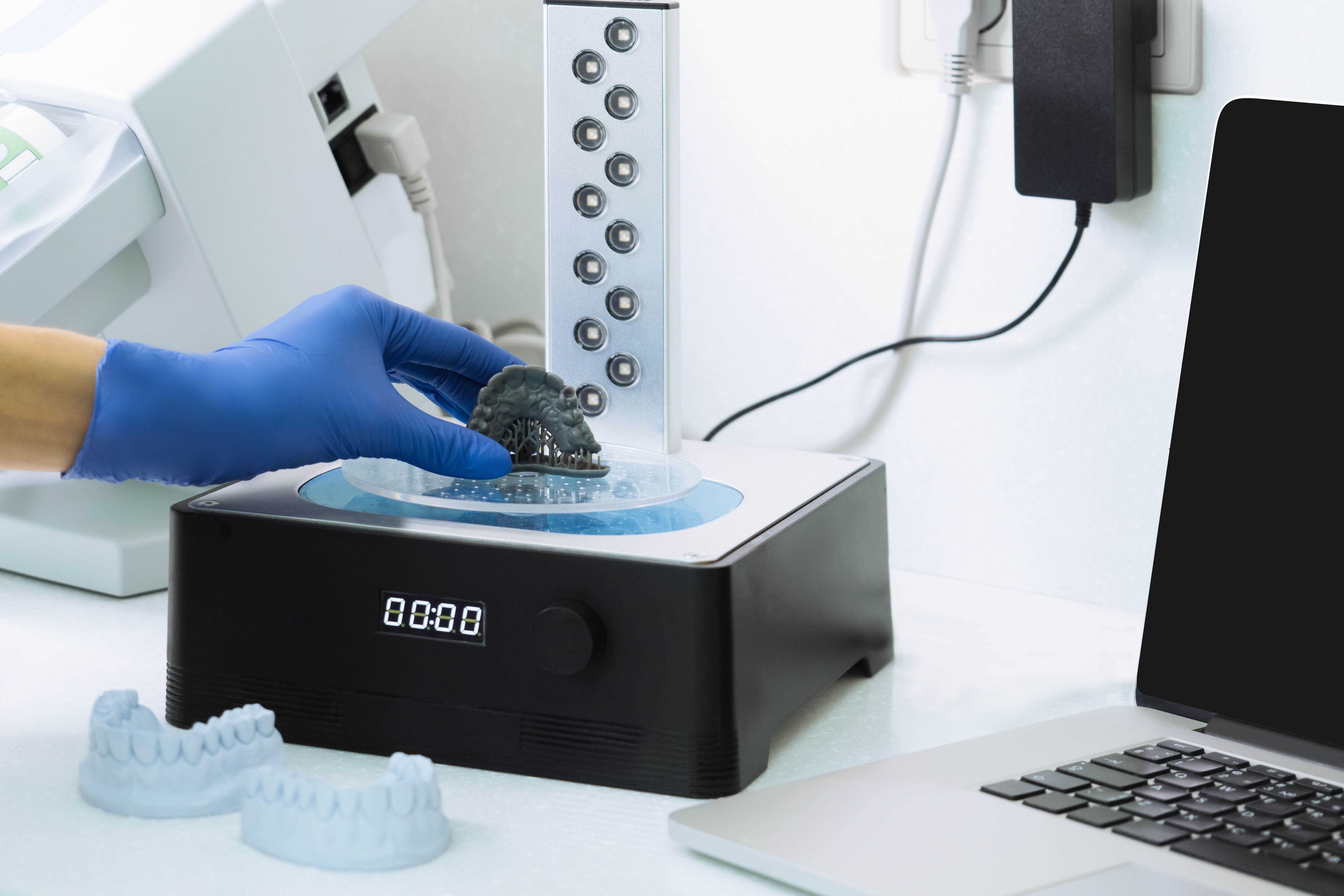
The process begins with a digital scan of the patient’s mouth, capturing detailed images of the teeth and gums. These images are then used to create a 3D model using specialized software. The model is printed layer by layer with biocompatible materials, resulting in a precise replica of the patient's mouth.
This technology is not only fast but also cost-effective, making it accessible to many dental practices. The ability to produce models in-house reduces reliance on external laboratories, saving both time and money.
Benefits for Patient Consultations
3D printed dental models enhance patient consultations in several ways:
- Improved Communication: Patients can see and feel a physical model of their teeth, making it easier to understand their dental issues and proposed treatments.
- Better Treatment Planning: Dentists can use the models to plan treatments more accurately, resulting in better outcomes.
- Increased Patient Confidence: When patients can visualize their treatment plan, they are more likely to feel confident and informed about the process.

Applications in Various Dental Procedures
3D printed models are versatile and can be used in a wide range of dental procedures, such as:
- Orthodontics: For planning braces or aligners with precision.
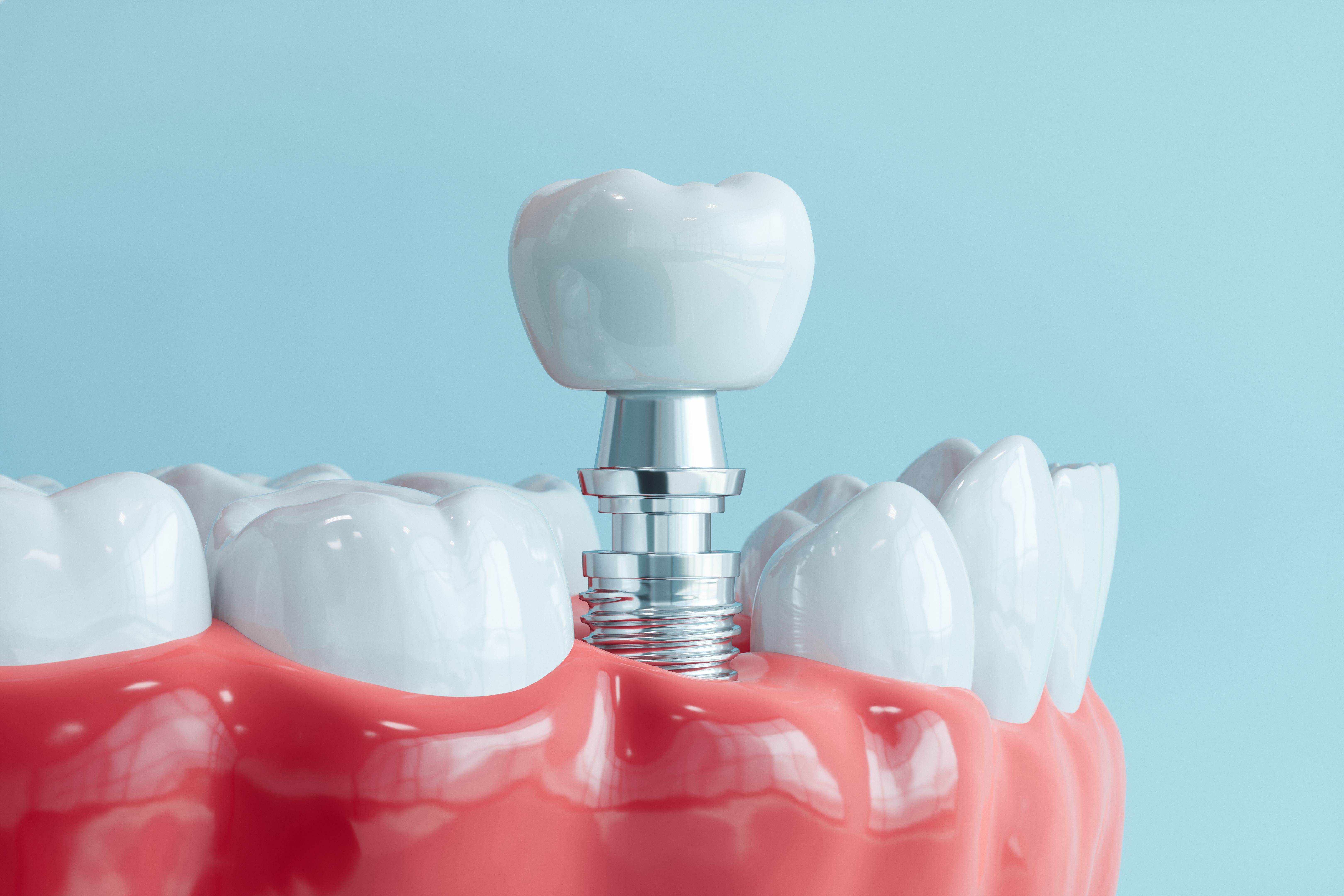
- Implants: To simulate the placement of dental implants and evaluate fit.
- Restorative Dentistry: For creating crowns, bridges, and dentures that fit perfectly.
These applications showcase the adaptability of 3D printing in meeting diverse dental needs, ultimately improving patient care across the board.
The Future of Dental Consultations
As 3D printing technology continues to advance, its role in dentistry will expand further. Innovations in materials and printing techniques promise even more accurate and durable models. This evolution will likely lead to personalized dental care, where treatment plans are tailored to the individual needs of each patient.
Furthermore, as patients become more informed and involved in their dental care, the demand for 3D printed models will increase. This trend underscores the importance of staying abreast of technological advancements in the dental field.
In conclusion, 3D printed dental models are revolutionizing the way dentists conduct patient consultations. By providing a clear and accurate representation of dental structures, they improve communication, enhance treatment planning, and boost patient confidence. As this technology continues to evolve, it promises to redefine the standards of dental care.