The Role of 3D Printed Models in Modern Dentistry: Insights and Trends


Introduction to 3D Printing in Dentistry
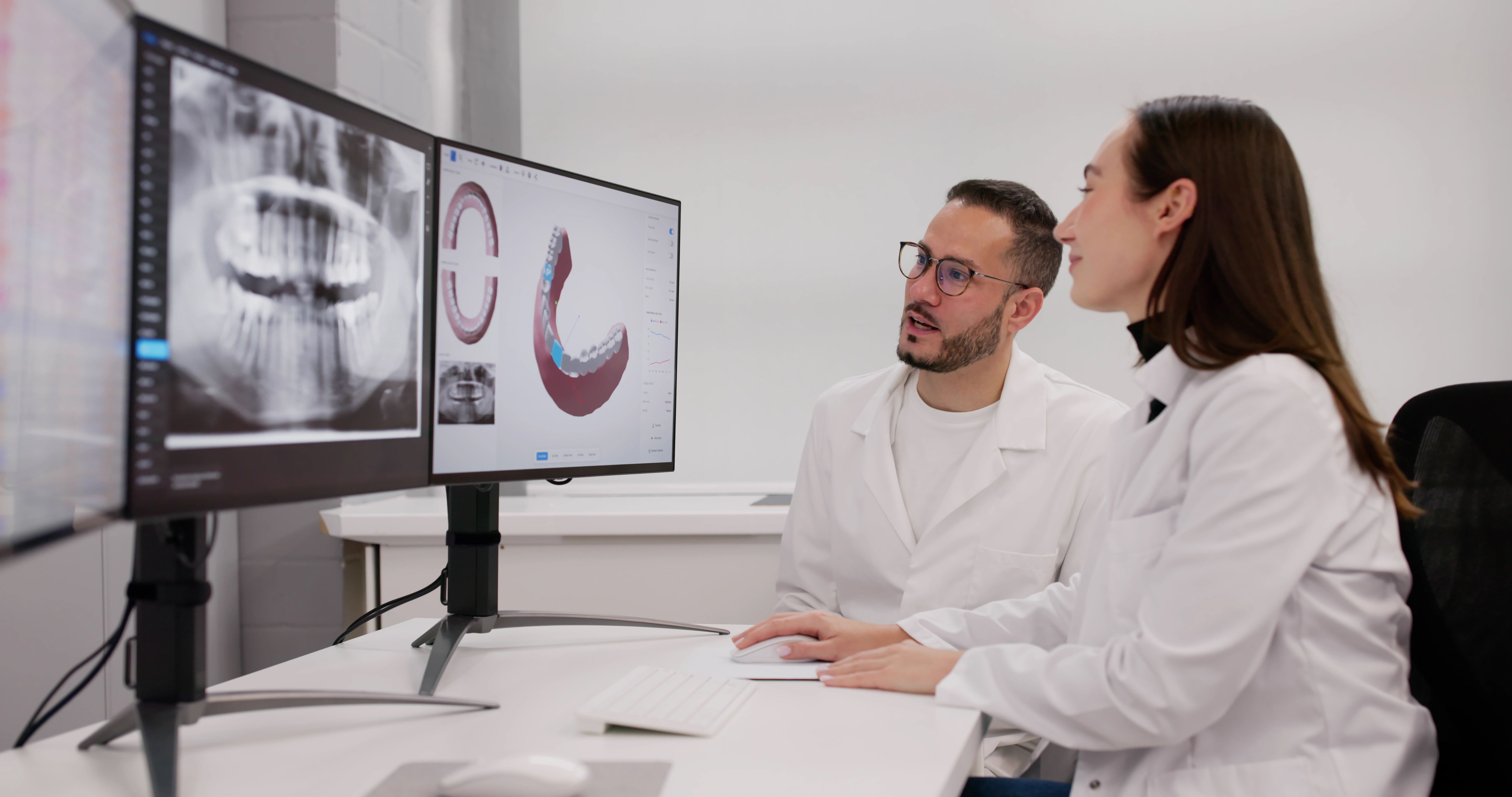
In recent years, 3D printing has emerged as a revolutionary technology in various fields, and dentistry is no exception. By enabling the production of precise and customized dental models, 3D printing is transforming how dental professionals approach patient care. This technology offers numerous benefits, from enhanced accuracy to improved patient satisfaction.
Advantages of 3D Printed Models
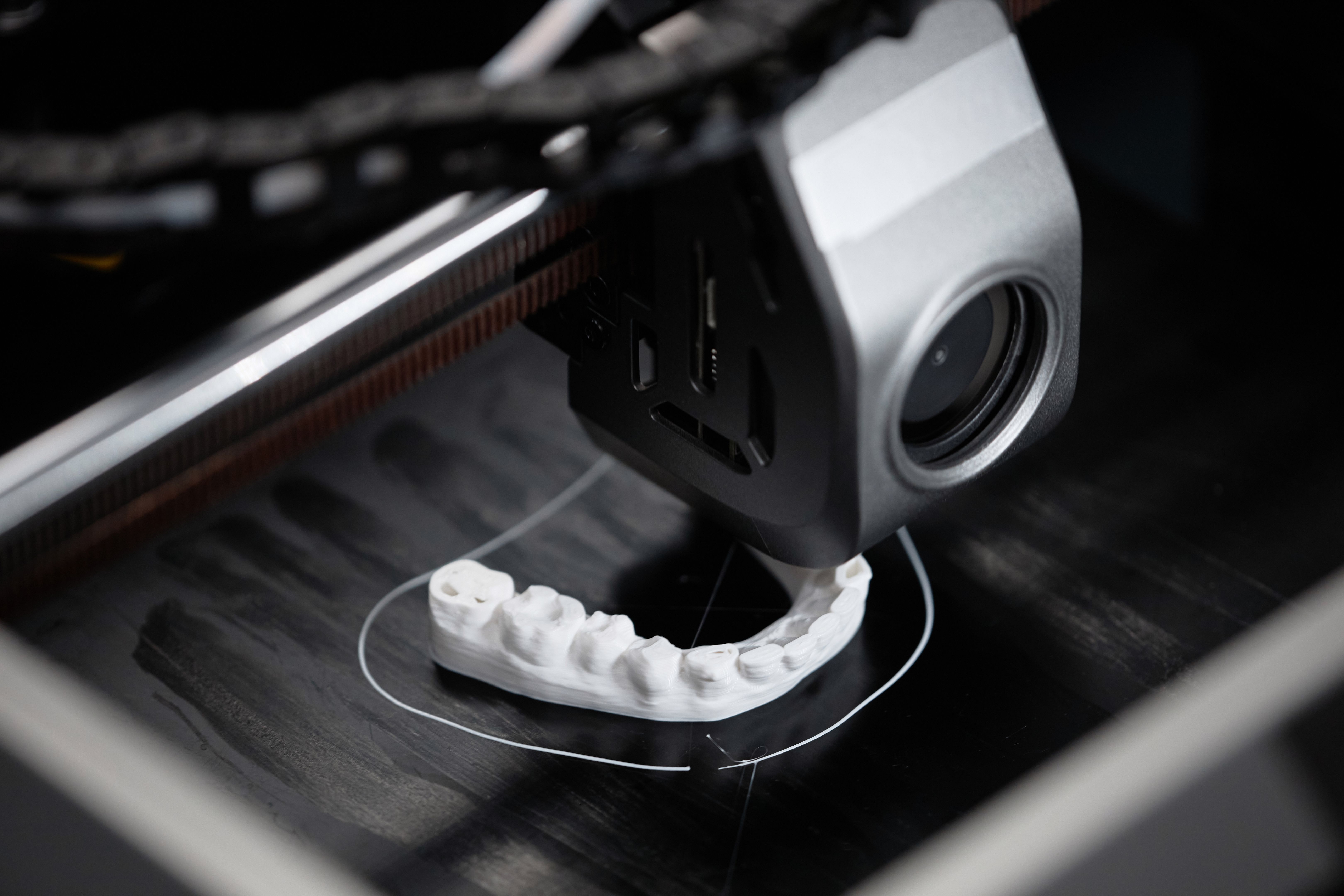
One of the most significant advantages of 3D printed models in dentistry is their ability to provide highly accurate and detailed replicas of a patient's dental structure. This precision allows for better planning and execution of dental procedures, reducing the margin for error. Additionally, 3D printing can significantly shorten the time required to create dental models, streamlining the workflow for dental practitioners.
Another benefit is the customization these models offer. Dentists can tailor each model to fit the unique anatomy of a patient's mouth, leading to better-fitting dental appliances and more effective treatments.
Applications of 3D Printing in Dentistry
3D printing is being utilized in a variety of dental applications. Some of the most common uses include:
- Crowns and Bridges: Custom-fitted crowns and bridges can be created with high precision.
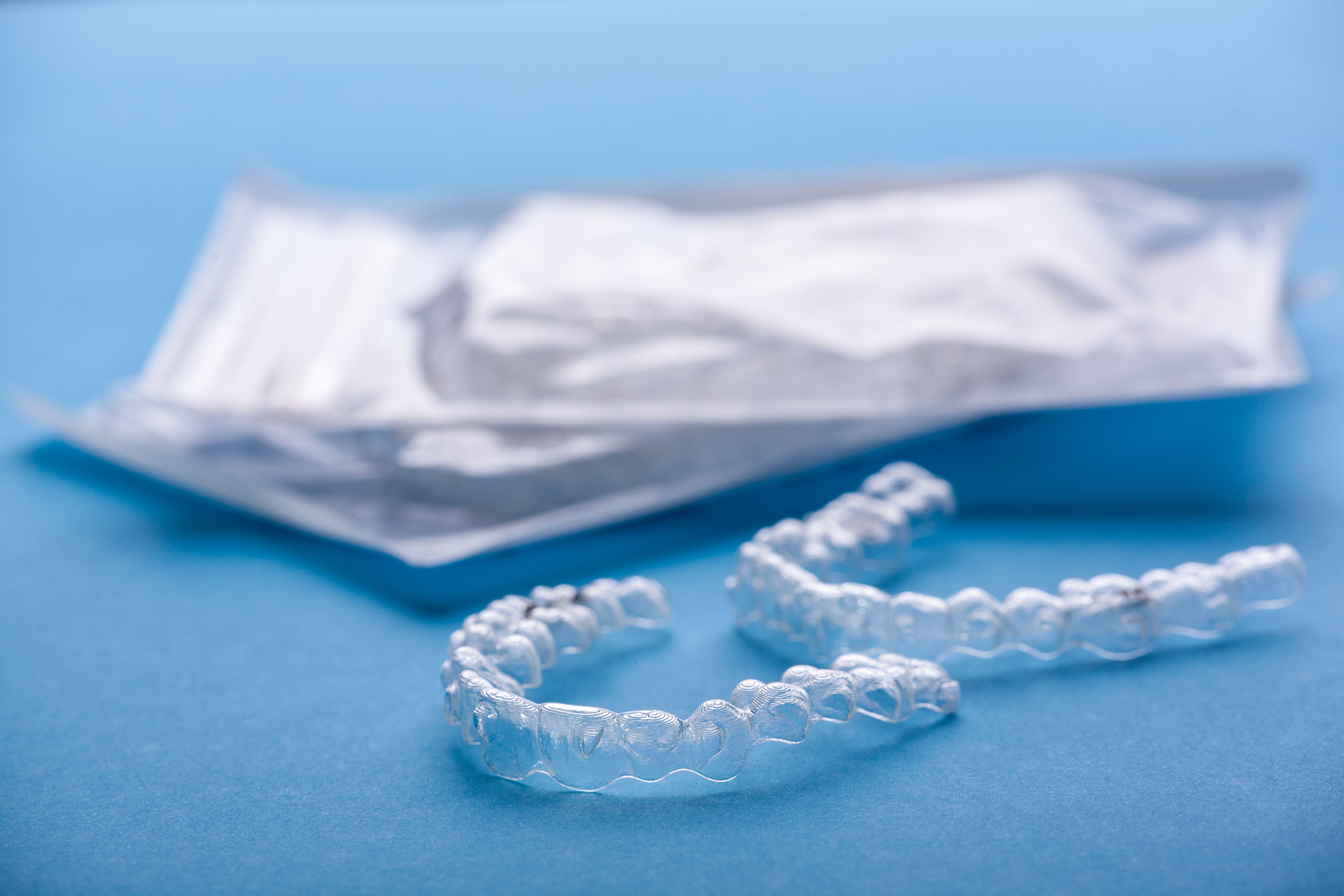
- Orthodontic Appliances: Tailored braces and aligners can be fabricated to exact specifications.
- Surgical Guides: Accurate guides help in precise implant placement, enhancing surgical outcomes.
Impact on Patient Experience
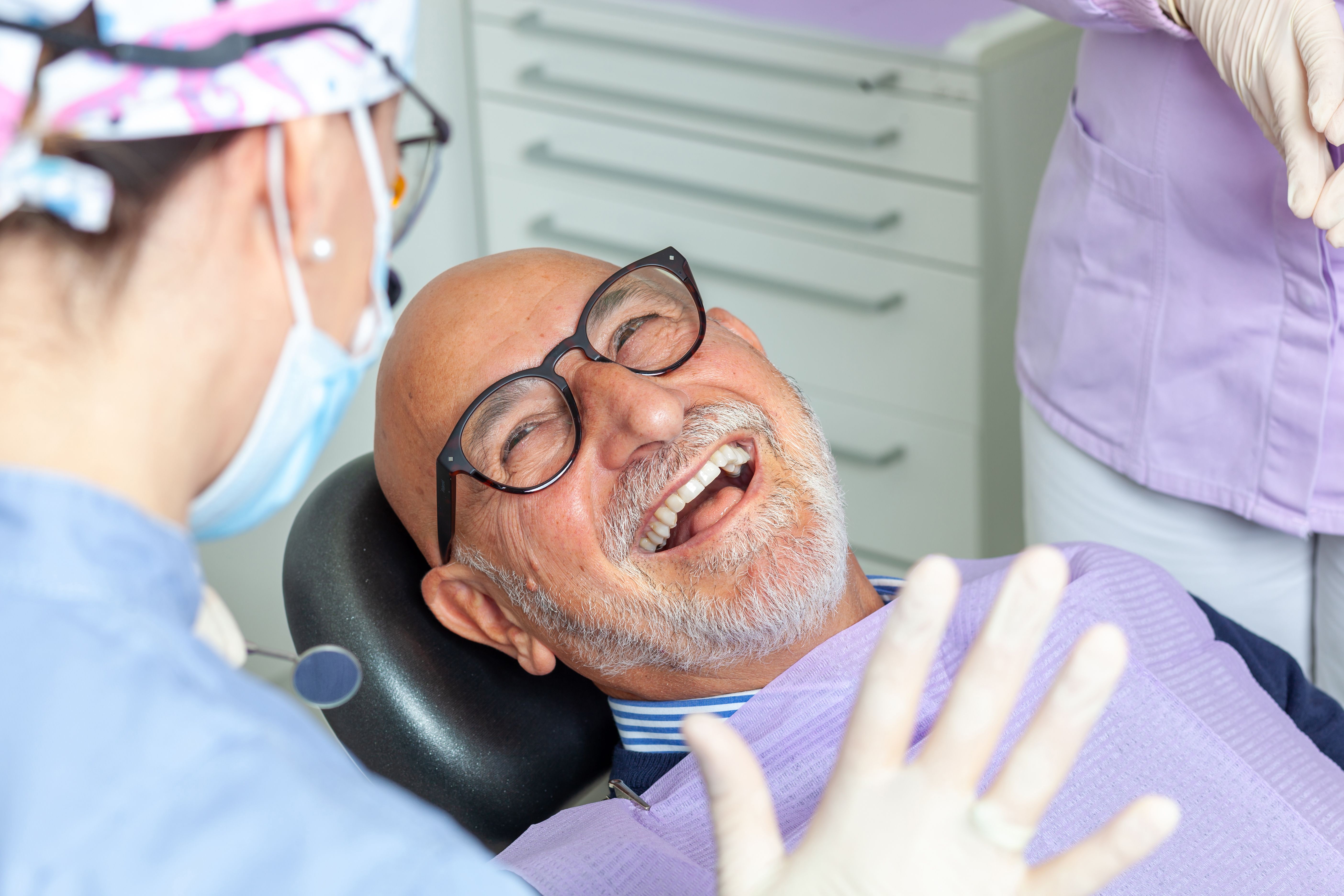
For patients, 3D printed models translate to a more comfortable and efficient dental experience. The enhanced accuracy of these models ensures better-fitting dental devices, reducing discomfort and the need for adjustments. Furthermore, the speed of production means patients spend less time waiting for their dental appliances.
Future Trends in 3D Dental Printing
The future of 3D printing in dentistry looks promising, with ongoing advancements aimed at further improving the technology. Innovations such as bioprinting, which involves printing with biocompatible materials, could open new possibilities for regenerative dental treatments.
Moreover, the integration of artificial intelligence with 3D printing is expected to enhance the design process, allowing for even more precise and efficient production of dental models.
Conclusion
3D printed models are undoubtedly reshaping the landscape of modern dentistry. By offering unparalleled precision, customization, and efficiency, this technology is enhancing both the practice of dentistry and the patient experience. As innovations continue to evolve, the role of 3D printing in dentistry is set to expand, promising even more exciting developments in the future.