The Benefits of 3D Printed Restorative Models for UK Dentists


Introduction to 3D Printed Restorative Models
The dental industry is rapidly evolving with technological advancements, and one of the most significant breakthroughs is the use of 3D printed restorative models. These models are transforming the way UK dentists approach patient care, offering a range of benefits that enhance precision and efficiency.
3D printing technology allows for the creation of highly accurate dental models, which can be used for various restorative procedures. This innovation is not only changing the way dentists work but also improving patient outcomes.
Precision and Accuracy
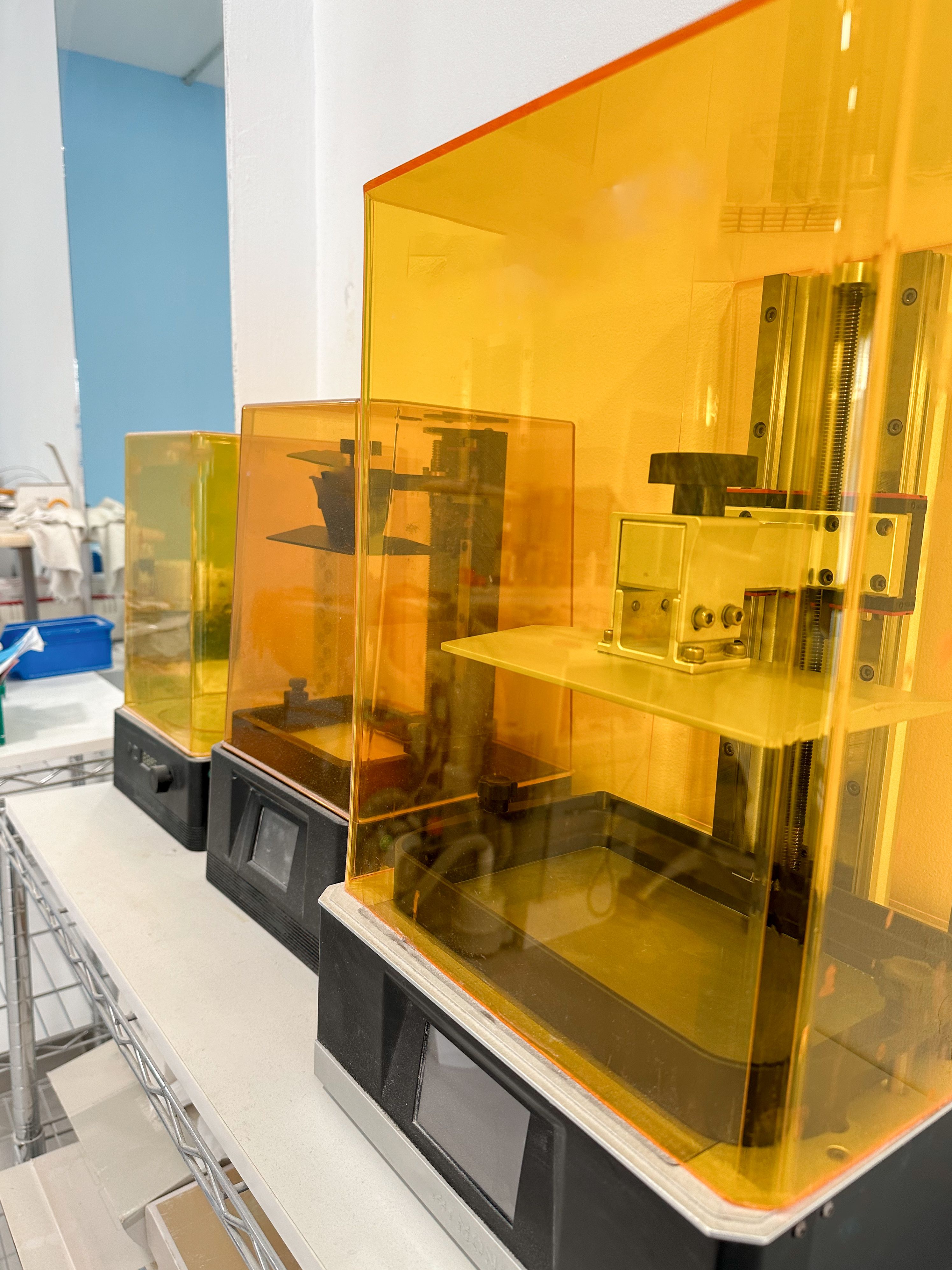
One of the primary benefits of 3D printed models is their precision. Traditional methods can sometimes lead to inaccuracies, but 3D printing ensures that each model is an exact replica of the patient's unique dental structure. This precision allows dentists to plan and execute treatments with greater confidence.
With 3D printing, digital scans are converted into physical models with incredible detail. This accuracy is crucial for creating customized restorative solutions such as crowns, bridges, and implants.
Time Efficiency
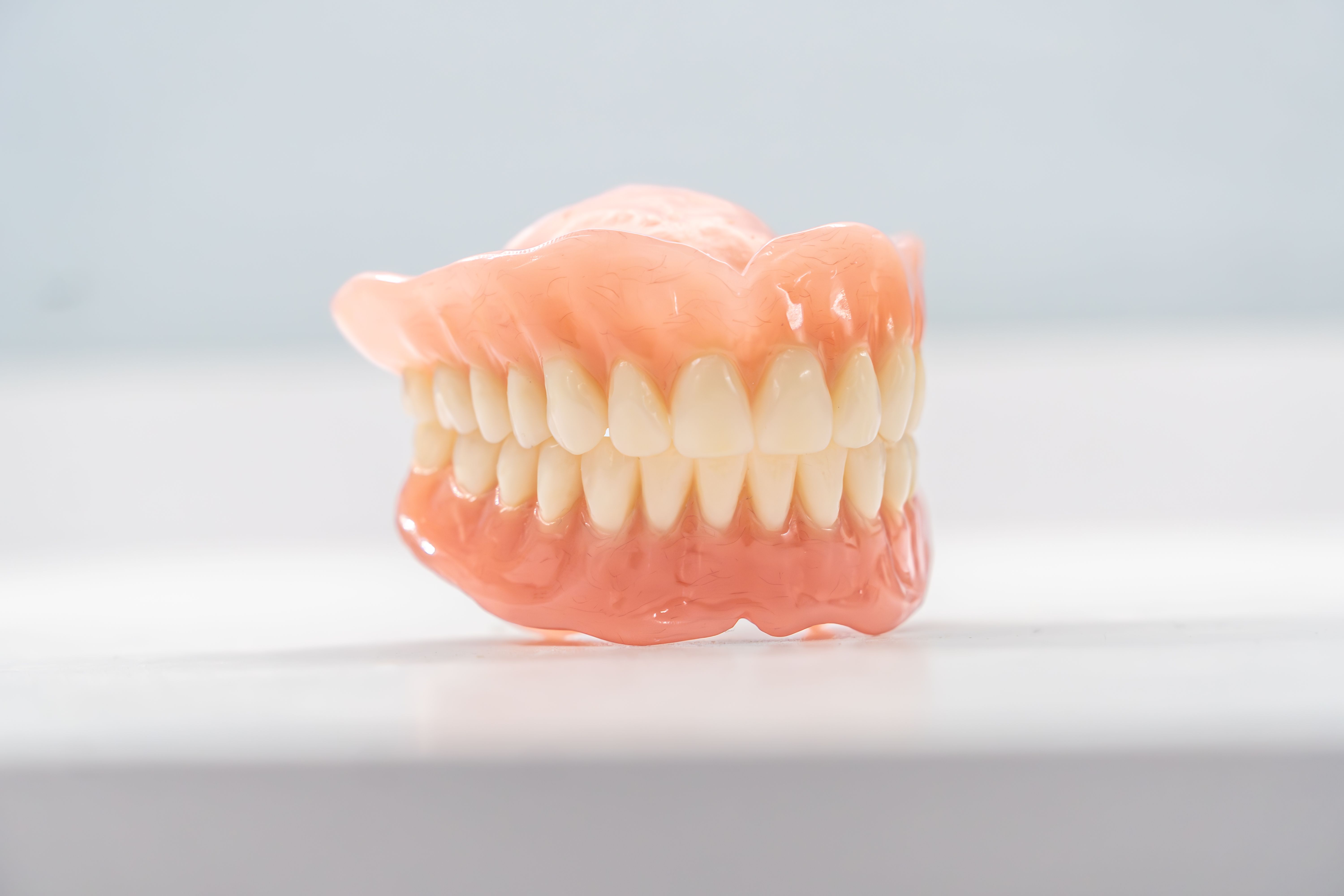
Another significant advantage of using 3D printed restorative models is the time efficiency they offer. Traditional methods can be time-consuming, often requiring multiple appointments. However, 3D printing can significantly reduce the time needed to produce models, enabling quicker turnaround times for dental procedures.
This efficiency allows dentists to treat more patients in less time, enhancing productivity without compromising the quality of care. Patients also benefit from shorter waiting times and quicker treatments.
Cost-Effectiveness
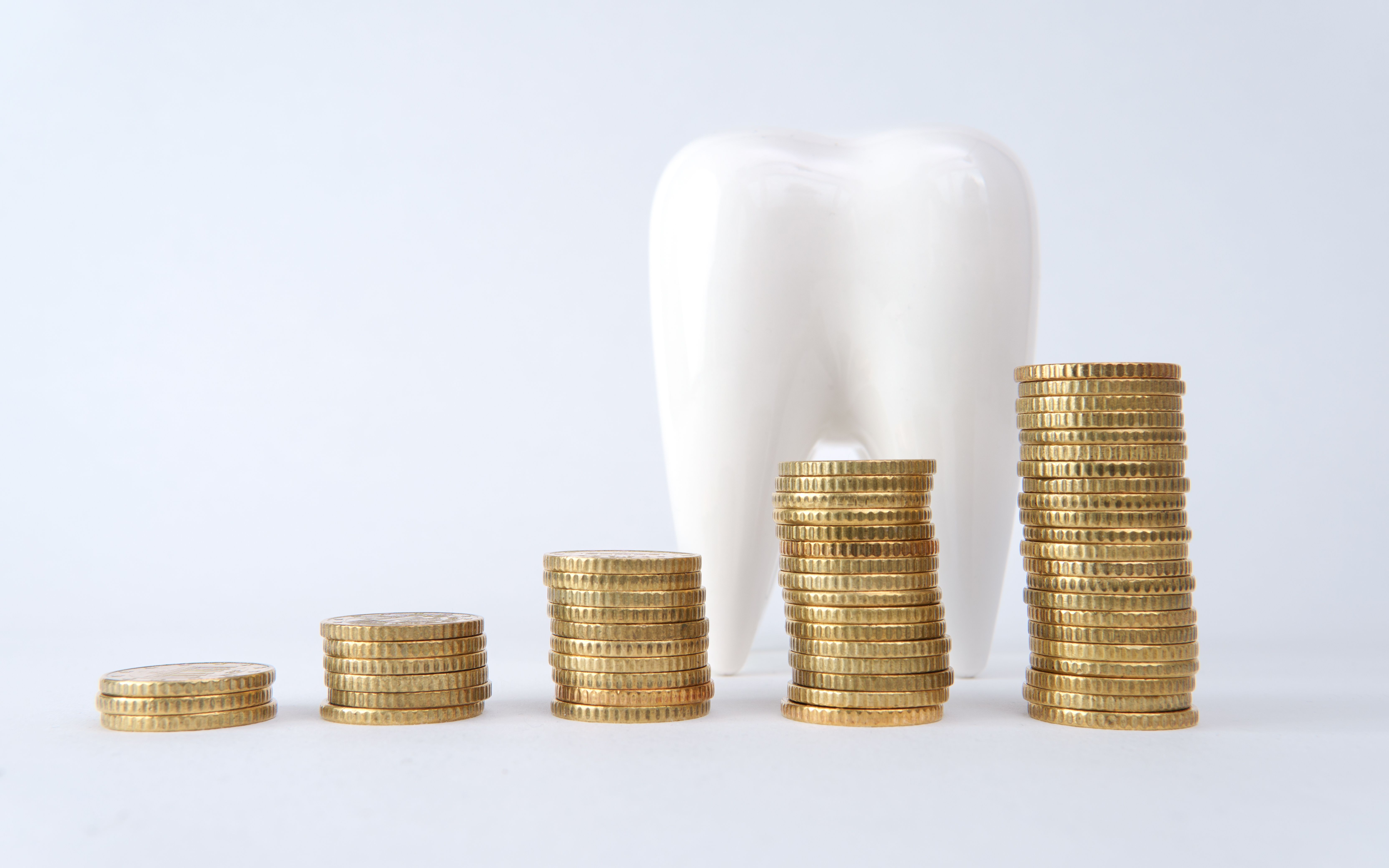
While the initial investment in 3D printing technology may seem high, the long-term savings make it a cost-effective solution for dental practices. By reducing the need for outsourcing and minimizing material waste, 3D printing can help dentists save money.
Additionally, the ability to quickly produce accurate models reduces the likelihood of errors and costly remakes, further enhancing cost-effectiveness.
Enhanced Patient Experience
3D printed restorative models also contribute to an improved patient experience. With the ability to visualize and understand their treatment plans, patients feel more informed and involved in their care. This transparency can lead to increased patient satisfaction and trust in the dental practice.
Moreover, the quicker turnaround times and reduced number of appointments mean that patients spend less time undergoing treatment, making their overall experience more convenient and comfortable.
Environmental Impact
Finally, 3D printing technology is more environmentally friendly compared to traditional methods. The precision of the process means less material waste, and the digital nature of the technology reduces the need for physical storage space for models.
By adopting 3D printed restorative models, dental practices can contribute to a more sustainable and environmentally conscious industry.
Conclusion
In summary, 3D printed restorative models offer a multitude of benefits for UK dentists. From enhanced precision and efficiency to cost savings and improved patient experiences, this technology is revolutionizing dental care. As more practices embrace 3D printing, its positive impact on the industry and patient care is set to grow even further.