How to Use a Restorative Demo Model Effectively in Your Practice


Understanding the Restorative Demo Model
The restorative demo model is a powerful tool for practitioners looking to enhance their client interactions and improve outcomes. This model allows you to showcase your techniques and approaches in a way that engages and educates clients. By demonstrating how specific methods can aid in their recovery or wellness journey, you build trust and rapport.
Utilizing this model effectively requires a blend of preparation, communication skills, and empathy. It's about creating a dynamic and interactive experience that resonates with your clients' needs and expectations.

Preparing for a Restorative Demo
Preparation is key to a successful restorative demo. Begin by identifying the specific techniques or treatments you wish to demonstrate. Ensure that these align with the clients’ goals and conditions. Tailoring your approach makes the demo more relevant and impactful.
Gather the necessary materials and tools beforehand. This might include physical equipment, digital presentations, or even props that can help visualize the process. Being well-prepared minimizes disruptions and keeps the focus on the client.
Setting the Stage
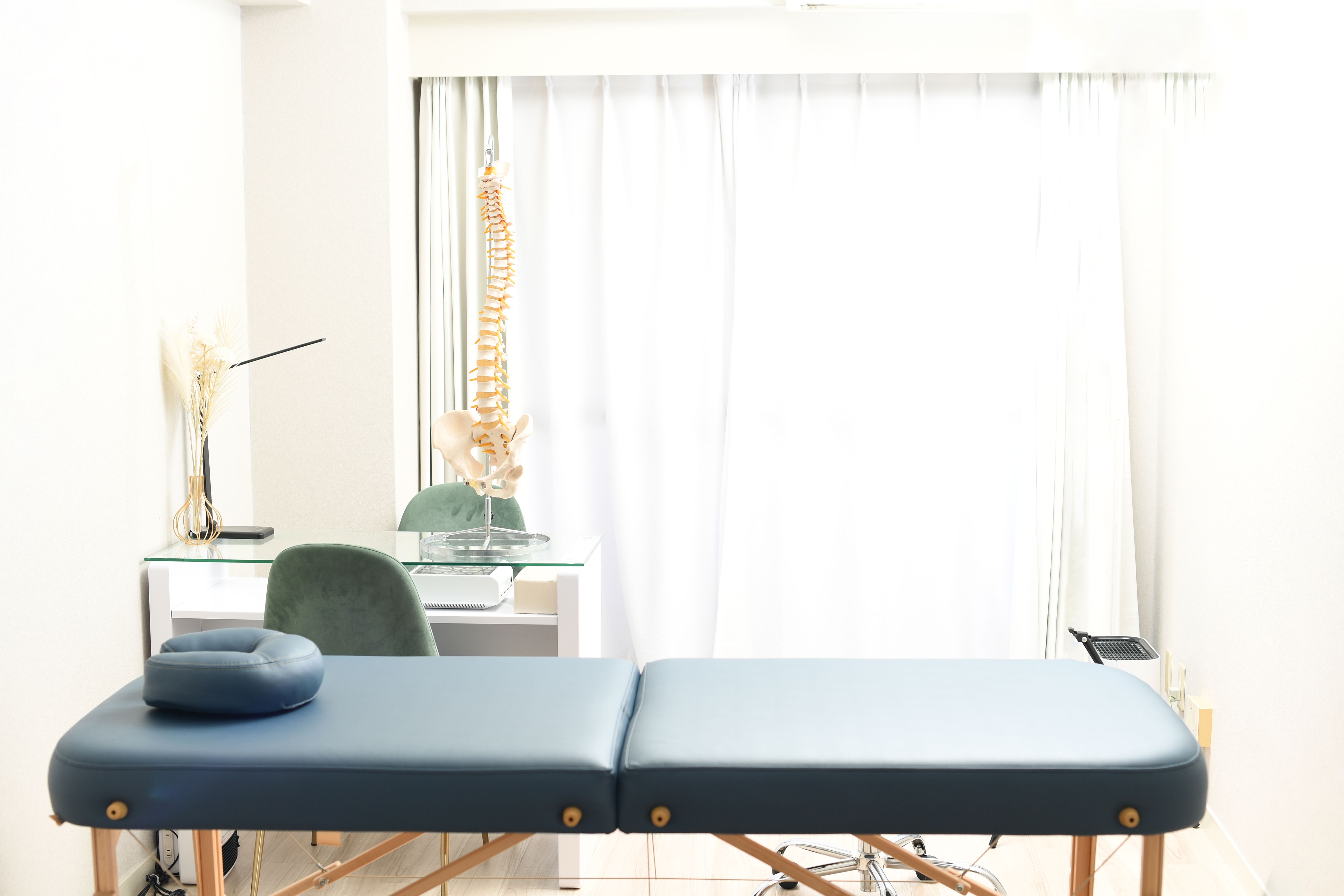
Creating a conducive environment is crucial. Ensure the setting is comfortable, private, and free from distractions. This helps clients feel relaxed and open to learning. Consider the elements of lighting, seating, and space arrangement to enhance the overall experience.
Engaging Your Clients
Engagement is at the heart of the restorative demo model. Start by explaining the purpose of the demo and what clients can expect to gain. Use clear, concise language and avoid jargon that might confuse or alienate them.
Encourage interaction and questions throughout the demonstration. This not only clarifies doubts but also fosters a deeper connection. Active participation can lead to better understanding and retention of information.
Using Visual and Verbal Cues
Combine visual aids with verbal explanations to cater to different learning styles. Some clients might benefit more from seeing the techniques in action, while others might prefer detailed explanations. Balancing both ensures that you address diverse preferences.

Providing Follow-Up Support
After the demo, offer resources for further learning. This could be in the form of pamphlets, links to videos, or recommended reading. Providing follow-up materials reinforces the session and encourages clients to continue their journey independently.
Schedule a follow-up session to review progress and address any new questions or concerns. This ongoing support is essential for maintaining the momentum and ensuring long-term success.
Feedback and Improvement
Finally, seek feedback from clients about their experience. Use this input to refine future demonstrations. Understanding what worked well and what could be improved helps you continuously enhance your practice.