How to Use a Restorative Demo Model Effectively in Your Dental Practice


Introduction to Restorative Demo Models
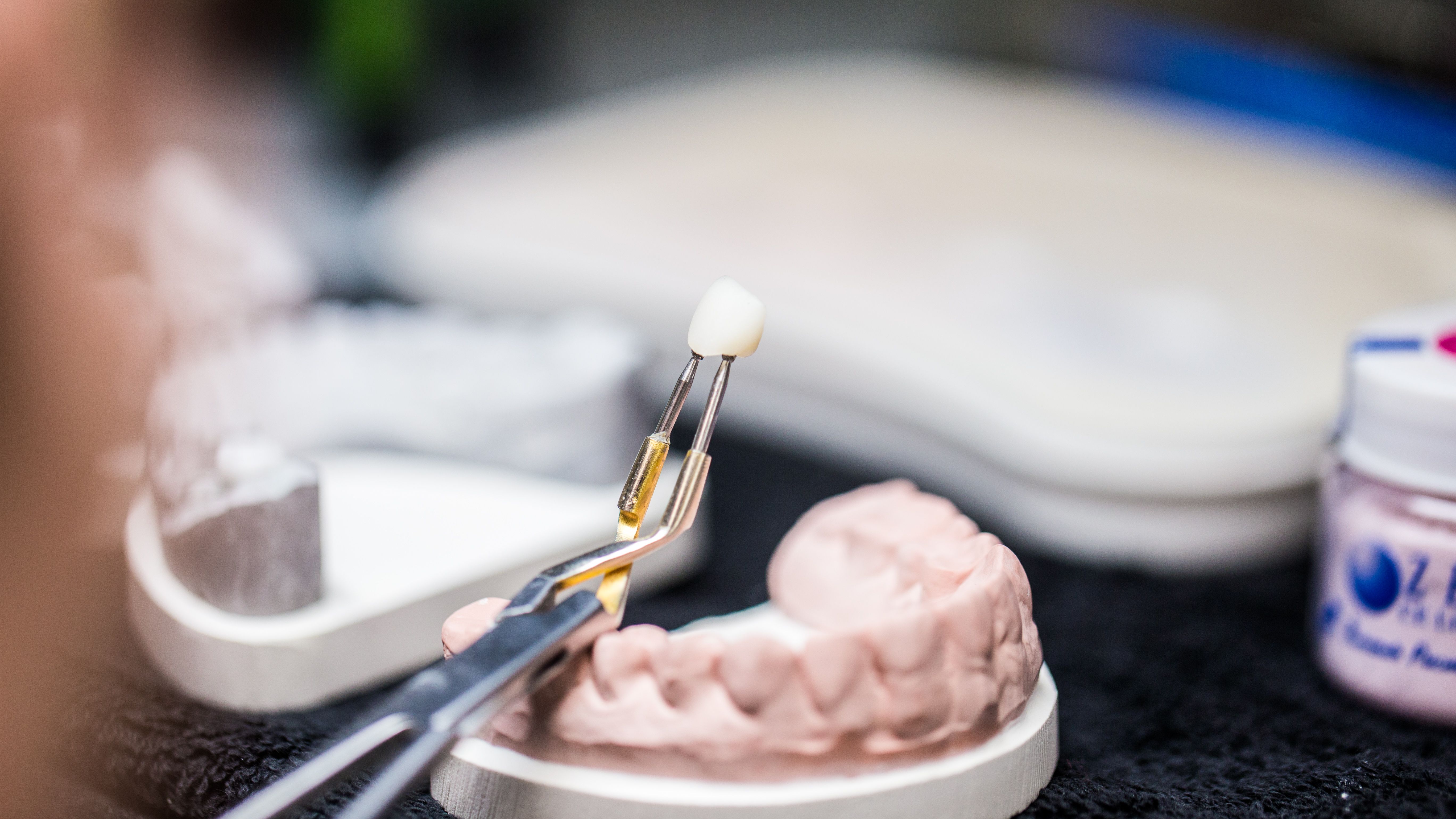
Integrating a restorative demo model into your dental practice can significantly enhance patient understanding and satisfaction. These models serve as a tangible tool for explaining procedures, helping patients visualize outcomes effectively.
Benefits of Using a Restorative Demo Model
Restorative demo models offer numerous advantages. They not only improve patient communication but also boost trust and confidence. By using these models, patients can gain a clearer understanding of their dental health and the proposed treatments.
Additionally, these models can help reduce anxiety. Seeing a physical representation of the procedure can demystify the process and make it seem more approachable.
Implementing Demo Models in Consultations
To use a restorative demo model effectively, incorporate it into your consultation process. Begin by explaining the condition using the model, highlighting the affected areas and demonstrating the proposed treatment.
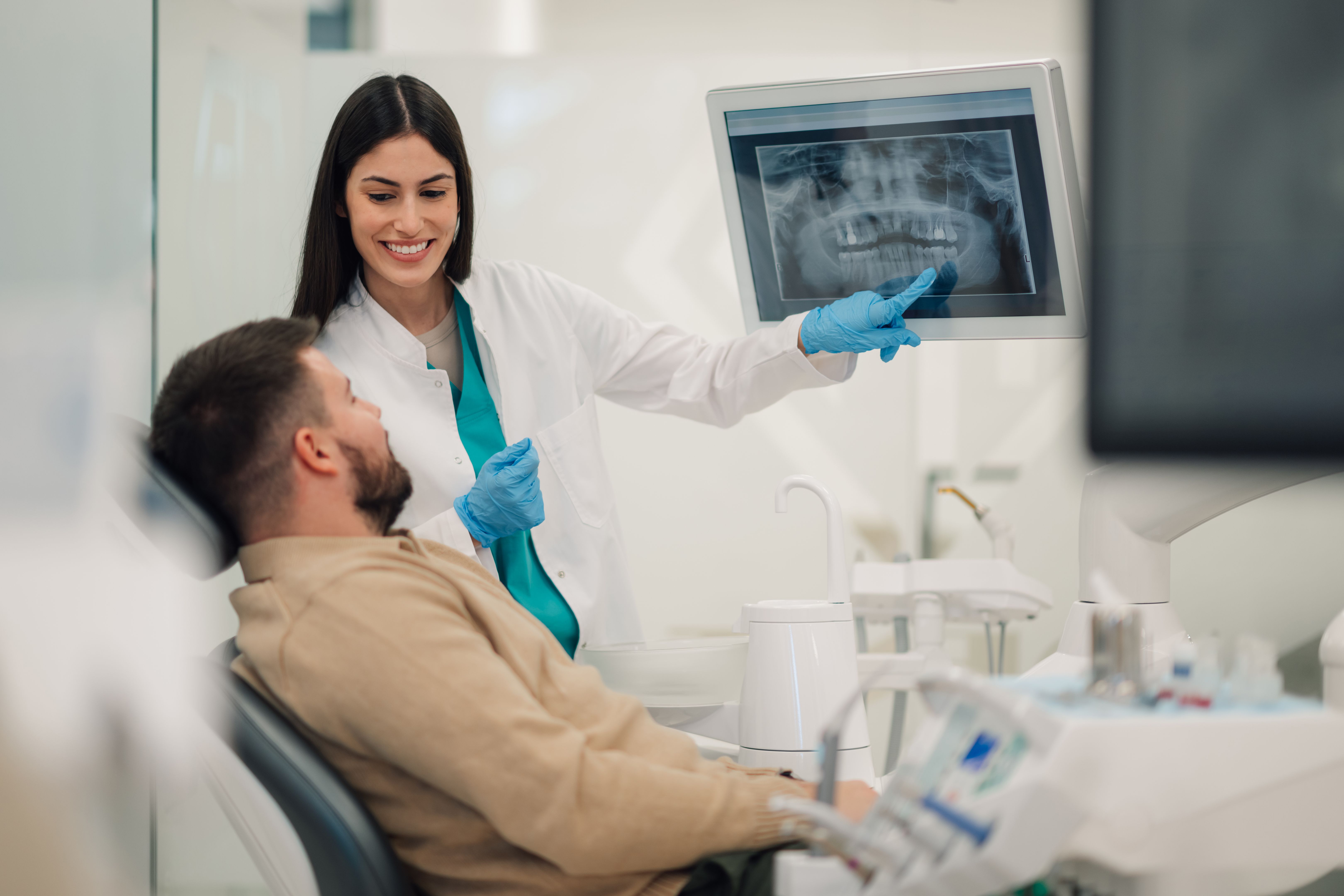
Engage your patients by allowing them to handle the model. This interactive approach can lead to more informed decision-making and increased patient satisfaction.
Training Your Staff
Ensure your entire dental team is familiar with the demo models. Train them to use these tools effectively, so they can assist in consultations and answer any patient queries confidently.
Regular training sessions can keep your team updated on the latest models and techniques, ensuring consistent patient education across your practice.
Enhancing Patient Experience
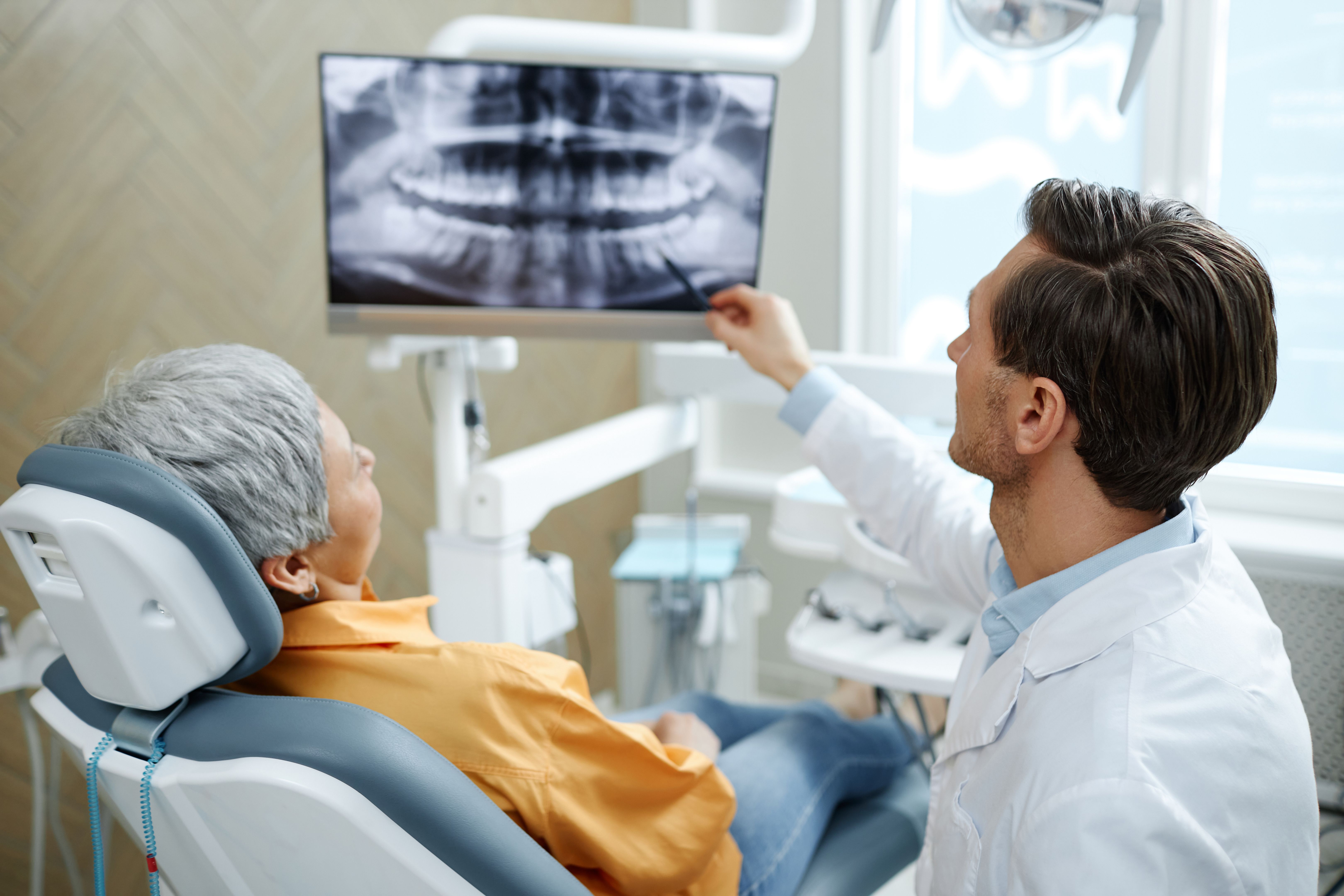
Incorporating demo models into your practice can significantly improve the overall patient experience. By providing clear explanations and visual aids, you foster a supportive and informative environment.
Encourage feedback from patients about the use of models to continually refine your approach and enhance the effectiveness of your consultations.
Conclusion
Using a restorative demo model is a powerful way to improve patient understanding and satisfaction in your dental practice. By training your staff and integrating these models into your consultations, you can create a more engaging and reassuring experience for your patients.