How to Use a Restorative Demo Model Effectively in Your Dental Practice


Understanding the Restorative Demo Model
The restorative demo model is a powerful tool that can transform patient communication in your dental practice. By using this model, you can effectively demonstrate procedures and outcomes, helping patients understand the benefits of treatment. This approach fosters trust and encourages informed decision-making.
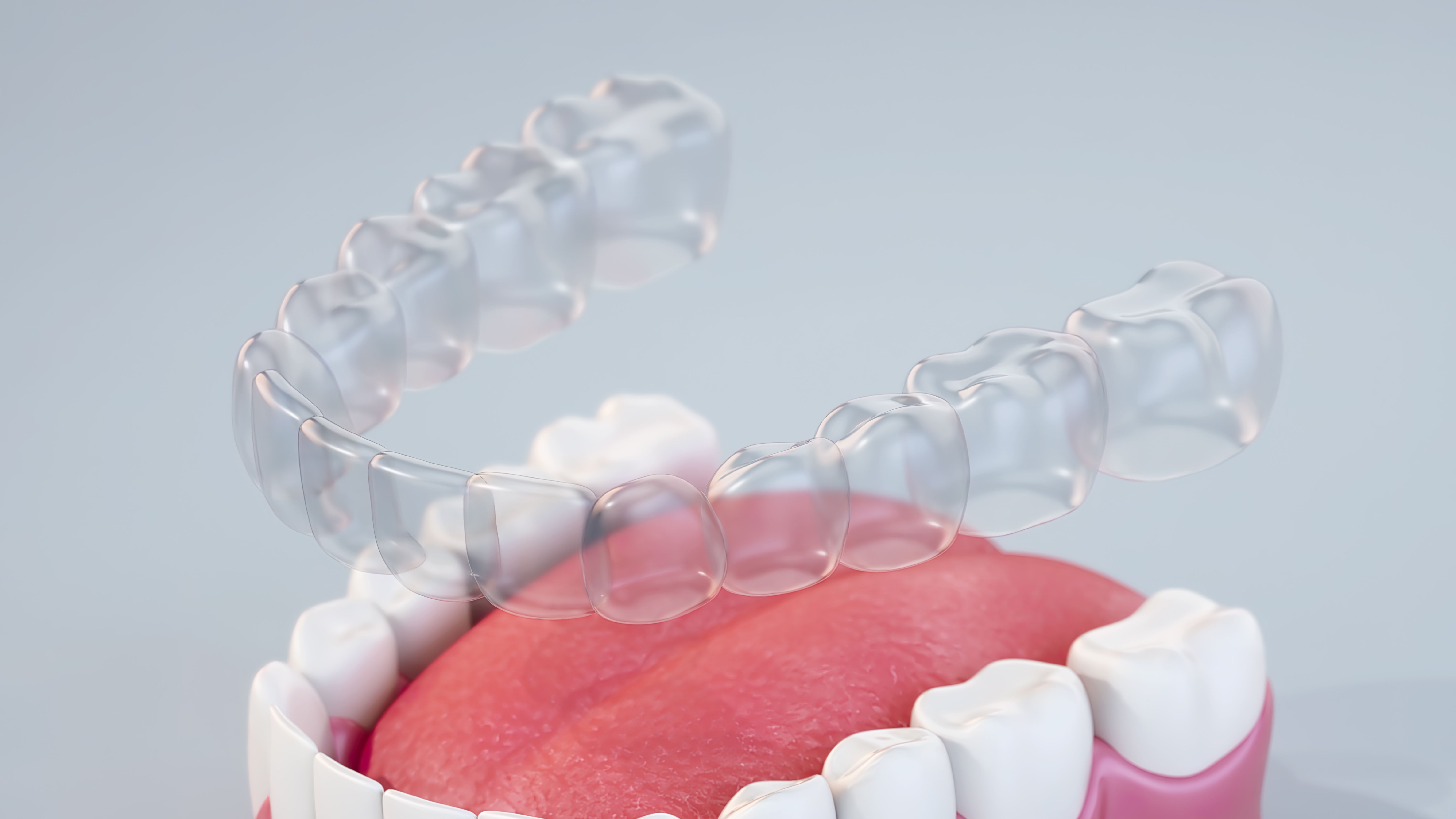
At its core, the restorative demo model involves using visual and tangible aids to illustrate dental procedures. These can include 3D models, digital simulations, or even before-and-after photos of actual cases. By providing a clear visual representation, patients gain a better grasp of what to expect.

Integrating the Demo Model into Consultations
Integrating the restorative demo model into your consultations can significantly enhance the patient experience. Begin by assessing your patient's needs and concerns. This sets the foundation for a personalized demonstration that directly addresses their specific situation.
Once you have a clear understanding of your patient's concerns, choose the most appropriate demo tools. For instance, if you're discussing a crown restoration, a 3D model can be particularly effective. Walk your patient through each step of the procedure, highlighting how the treatment will benefit their oral health.
Benefits of Using a Restorative Demo Model
Using a restorative demo model offers numerous benefits. Firstly, it helps in building trust between you and your patients. Visual aids provide transparency, allowing patients to see exactly what will happen during their treatment. This reduces anxiety and builds confidence in your expertise.
Secondly, this approach can lead to higher treatment acceptance rates. When patients fully understand the procedure and its benefits, they're more likely to proceed with the recommended treatment. This not only boosts your practice's revenue but also ensures patients receive the care they need.

Training Your Team
For the restorative demo model to be effective, it's crucial that your entire team is well-trained. Ensure that your staff understands how to use the demo tools and can explain procedures clearly. Regular training sessions can help keep everyone up to date with the latest techniques and technologies.
Additionally, encourage your team to use a friendly and approachable communication style. The goal is to make patients feel comfortable and informed, so it's important that staff members can answer questions patiently and thoroughly.
Evaluating the Success of Your Demo Model
After implementing the restorative demo model, it's important to evaluate its effectiveness. Gather feedback from patients to understand their experiences and identify any areas for improvement. This feedback can be invaluable in refining your approach and ensuring ongoing success.
Consider tracking metrics such as treatment acceptance rates and patient satisfaction scores. These indicators can provide insight into how well the demo model is working and guide future adjustments.

Conclusion
Utilizing a restorative demo model in your dental practice can lead to more informed patients, higher satisfaction, and increased treatment acceptance rates. By investing in the right tools and training your team, you can create a more transparent and reassuring experience for your patients, ultimately leading to better outcomes for both your practice and those you serve.