How to Explain Dental Restorations Using 3D Models: A Dentist’s Guide


Understanding Dental Restorations with 3D Models
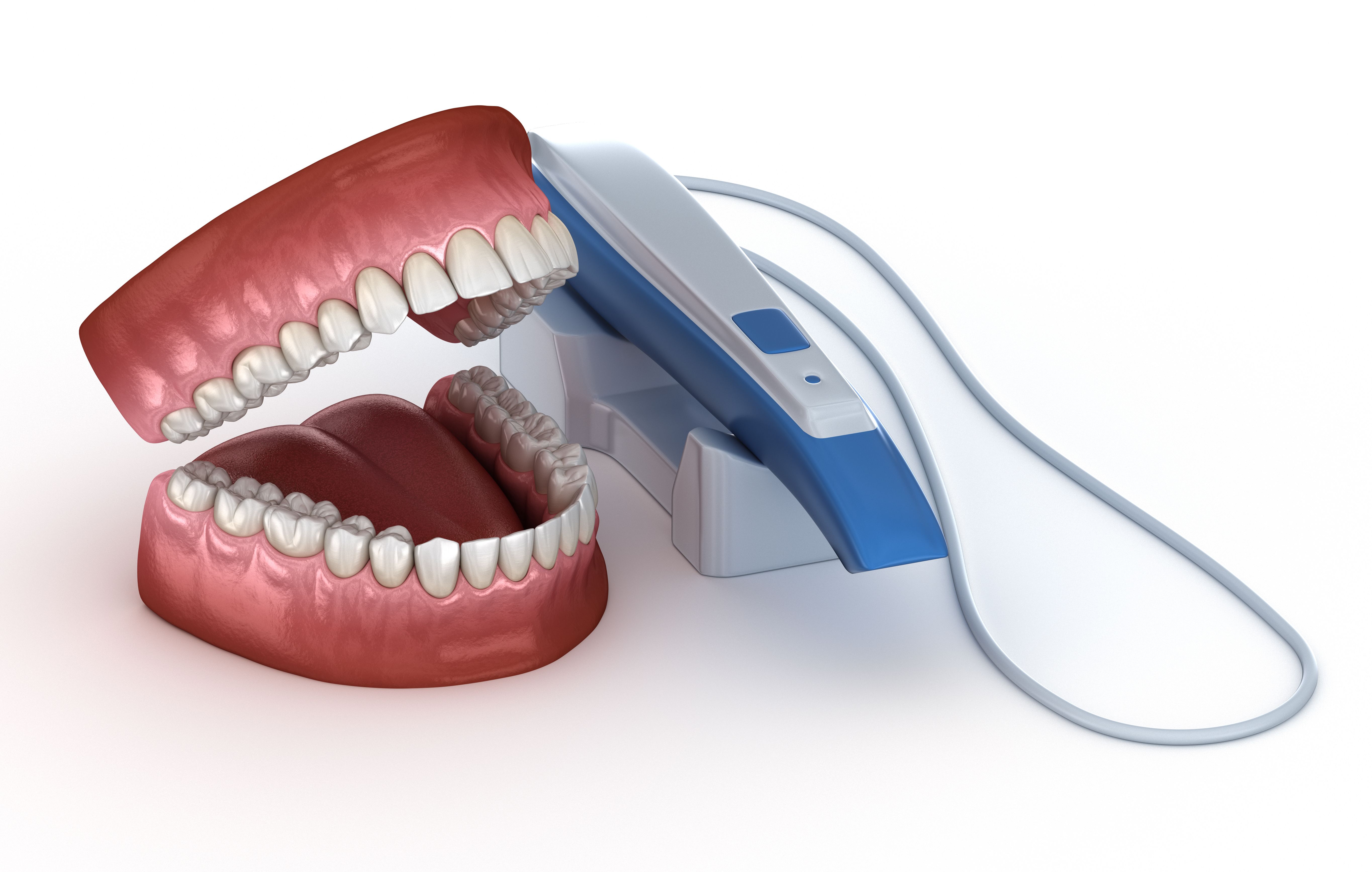
Dental restorations can be a complex topic for many patients. To bridge the gap between technical jargon and patient understanding, utilizing 3D models can be an effective tool. These models provide a visual representation that makes it easier for patients to grasp the intricacies of their dental procedures.
Benefits of Using 3D Models
3D models allow for a hands-on approach to explaining dental restorations. They can help in:
- Enhancing patient comprehension of treatment plans.
- Providing a realistic view of the dental restoration process.
- Building trust between dentist and patient by offering clear explanations.
When patients can see and touch a model, it reduces anxiety and builds confidence in the dental procedure. This interactive method often results in more informed decision-making.
Key Features of Effective 3D Models
To ensure the models are effective, they should include:
- High accuracy to reflect the actual dental anatomy.
- Durability for repeated use and handling.
- Interchangeable parts to demonstrate various procedures and outcomes.

Integrating 3D Models into Practice
Integrating 3D models into your practice can be seamless. Start by identifying which procedures are most commonly misunderstood by patients. Invest in high-quality models that represent these procedures accurately. Train your staff to use these models effectively during consultations.
Consider setting aside a dedicated space in your practice for demonstrations. This can be a consultation room where patients feel comfortable asking questions and exploring the models.
Explaining Specific Procedures
For specific restorations like crowns, bridges, or implants, use 3D models to show the placement and expected outcome. This can be particularly useful for visual learners who benefit from seeing a step-by-step breakdown of the procedure.

Additionally, showing potential complications or variations can help set realistic expectations, ensuring patients are fully aware of what the treatment entails.
Conclusion
Using 3D models in dental practice is not just about technology; it's about improving patient communication and care. By providing a clear, tangible way to understand complex procedures, you empower your patients to make informed decisions. Invest in quality models, train your team, and watch as your patient satisfaction and trust grow.