How 3D Printed Models Enhance Patient Education and Treatment Uptake


The Rise of 3D Printing in Healthcare
The advent of 3D printing technology has revolutionized various industries, and healthcare is no exception. By creating tangible models from digital data, 3D printing is enhancing patient education and improving treatment uptake. This innovative approach provides a new dimension to understanding complex medical conditions.

Patients often struggle to grasp the intricacies of their medical issues through traditional methods. However, 3D printed models offer a tangible representation of conditions, making it easier for patients to visualize and comprehend their health status. This can lead to more informed decision-making and greater confidence in their treatment plans.
Improving Patient Education
One of the most significant benefits of 3D printed models is their ability to improve patient education. By converting complex medical imaging data into physical models, healthcare providers can offer patients a clearer understanding of their conditions. This is especially beneficial for conditions like tumors or congenital anomalies, where visualization aids comprehension.
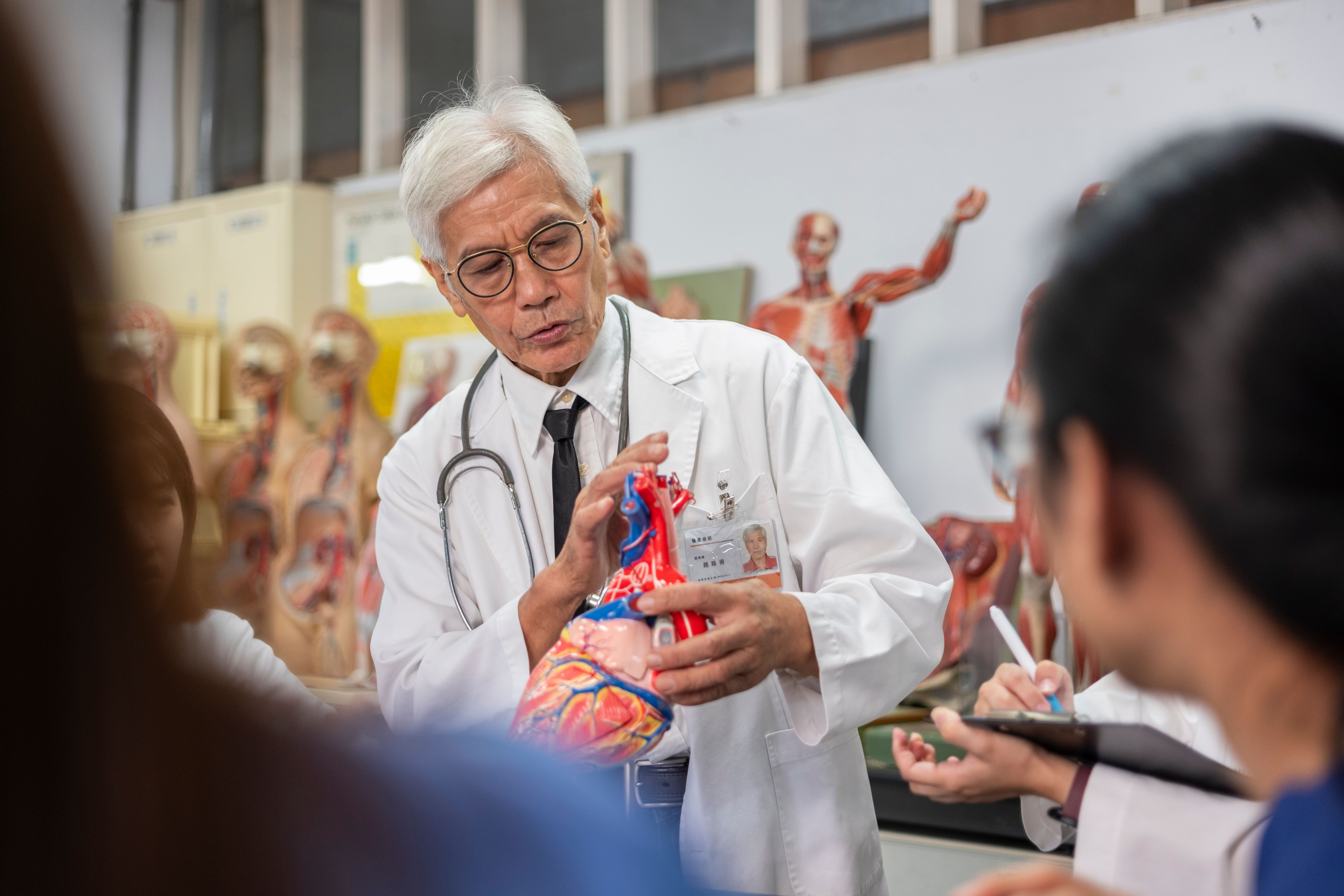
For instance, a patient diagnosed with a heart condition can benefit from a 3D model of their heart, highlighting areas of concern. This hands-on approach not only enhances understanding but also facilitates more productive discussions between patients and healthcare providers.
Facilitating Better Communication
Effective communication between healthcare providers and patients is crucial for successful treatment outcomes. 3D printed models serve as excellent communication tools, bridging the gap between medical jargon and patient comprehension. By providing a visual aid, these models help demystify complex surgical procedures and treatment options.
- Enhanced visualization of the affected area.
- Clearer explanation of surgical procedures.
- Increased patient involvement in decision-making.
Boosting Treatment Uptake
Informed patients are more likely to comply with treatment plans, leading to better health outcomes. When patients fully understand their conditions and the proposed treatments, they are more inclined to follow through with medical advice. 3D printed models play a critical role in this aspect by providing clarity and reassurance.

Studies have shown that when patients can physically interact with models of their anatomy, their anxiety about medical procedures decreases. This reduction in anxiety can lead to increased trust in healthcare providers and a higher likelihood of treatment adherence.
Applications Across Various Specialties
3D printed models have applications across various medical specialties. In orthopedics, for example, custom models of bones can aid in pre-surgical planning, ensuring precision and reducing operation time. In dentistry, 3D models assist in designing prosthetics and orthodontic solutions tailored to individual needs.
- Pre-surgical planning and simulation.
- Designing custom prosthetics and implants.
- Enhancing dental and orthodontic treatments.
As technology continues to evolve, the potential for 3D printing in healthcare will only expand. Its role in patient education and treatment uptake is just the beginning of a new era in personalized medicine.