Exploring the Benefits of High-Quality Dental Models in Clinical Practice


The Importance of Dental Models in Modern Dentistry
High-quality dental models are a cornerstone of effective dental practice. They provide dentists with a tangible representation of a patient's oral structure, allowing for more precise diagnosis and treatment planning. In recent years, advancements in technology have significantly improved the quality and accessibility of these models.
The use of dental models has become increasingly essential in various aspects of dentistry, from orthodontics to restorative procedures. These models offer a detailed, three-dimensional view that is invaluable for both dentists and patients.
Enhancing Diagnostic Accuracy
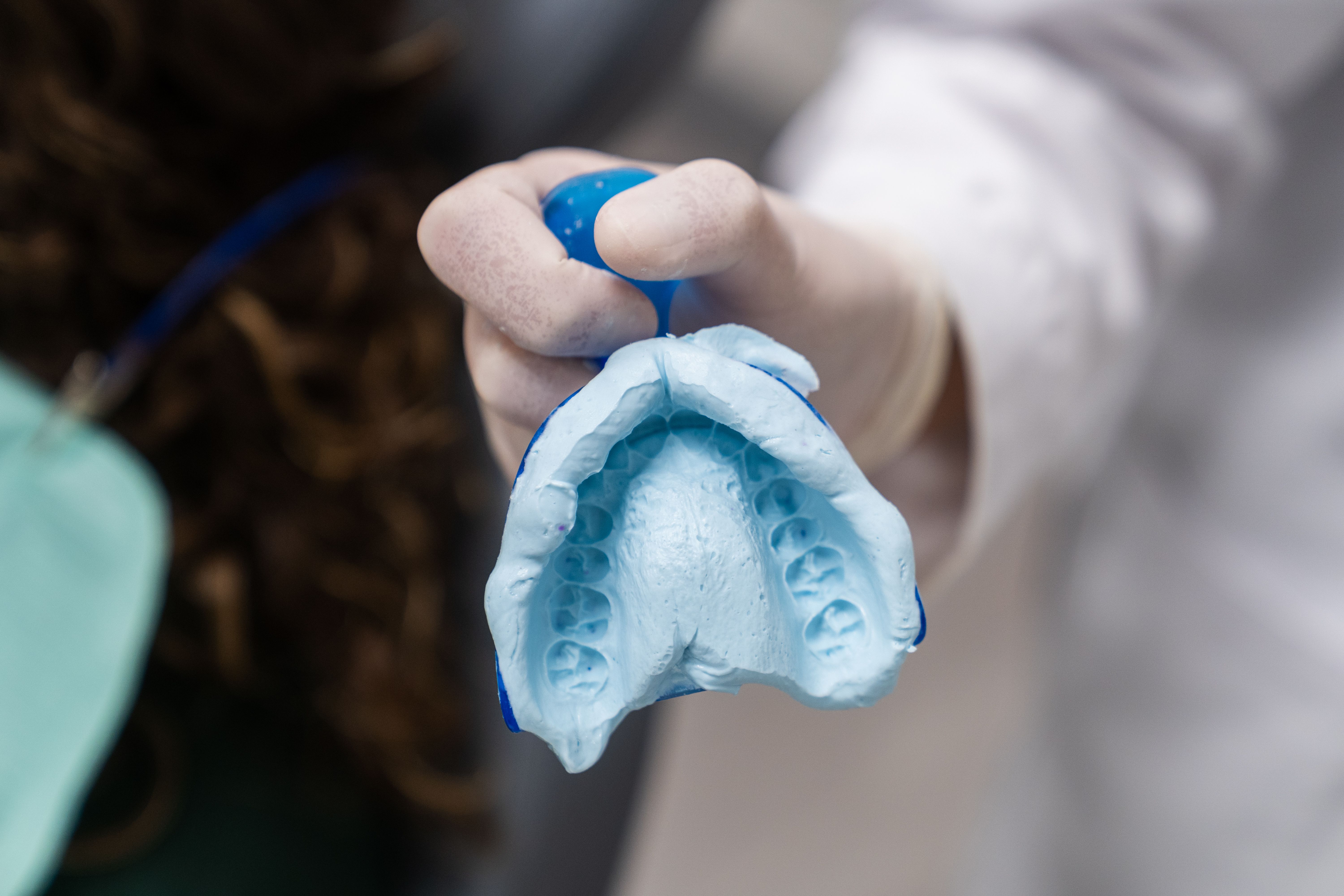
One of the primary benefits of high-quality dental models is their ability to improve diagnostic accuracy. Dentists can examine the intricacies of a patient's oral cavity in a way that is not possible with traditional two-dimensional imaging techniques. This leads to better identification of issues such as misalignments, erosion, and other dental concerns.
By providing a comprehensive view, dental models enable dentists to make more informed decisions regarding treatment options. This not only enhances the effectiveness of the treatments but also increases patient satisfaction by setting realistic expectations.
Facilitating Patient Communication
Effective communication with patients is crucial in any clinical practice. High-quality dental models serve as excellent tools for educating patients about their dental health. By offering a visual representation, dentists can explain complex procedures in a way that is easy to understand.
This transparency builds trust between the dentist and the patient. When patients have a clear understanding of their dental condition and the proposed treatment plan, they are more likely to comply with recommendations and maintain their oral health.

Supporting Treatment Planning and Execution
Dental models are instrumental in planning and executing various treatments. For orthodontists, these models are used to design braces and aligners tailored to the specific needs of each patient. In restorative dentistry, they help in crafting crowns, bridges, and other prosthetics with precision.
- Customizing orthodontic treatments
- Designing accurate prosthetics
- Ensuring precise surgical planning
High-quality models contribute to more accurate and successful outcomes, minimizing the risk of errors and enhancing overall patient care.
Advancements in Dental Model Technology
The field of dental modeling has seen significant technological advancements, particularly with the introduction of digital models and 3D printing. These innovations have made it possible to create highly detailed and accurate models in a fraction of the time it used to take with traditional methods.
- Increased precision with digital scans
- Faster production times with 3D printing
- Improved patient experience
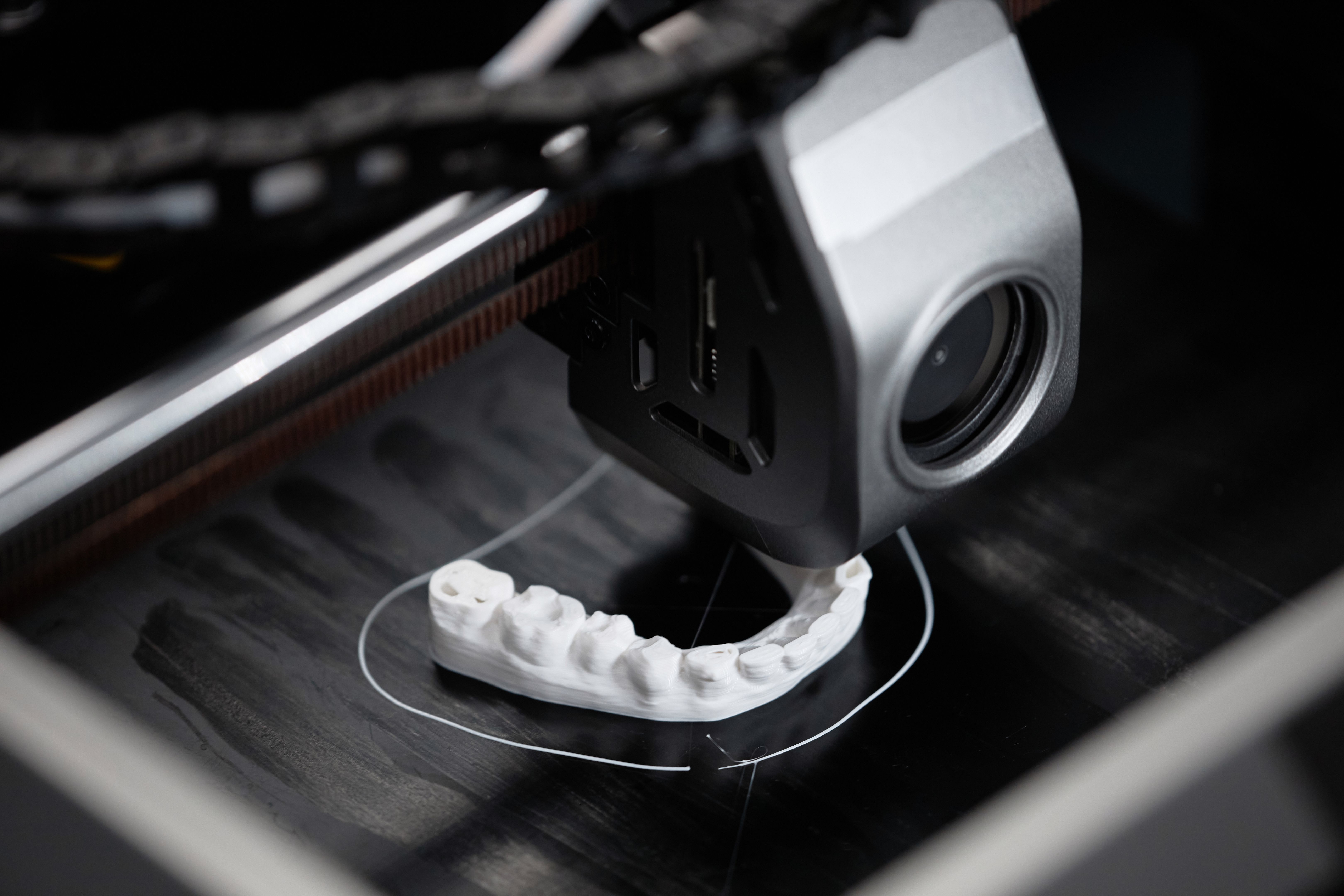
These advancements not only enhance the quality of care but also streamline the workflow in dental practices, allowing for more efficient and effective patient management.
Conclusion
Incorporating high-quality dental models into clinical practice offers numerous benefits, from improving diagnostic accuracy to enhancing patient communication and treatment outcomes. As technology continues to evolve, the role of dental models is likely to become even more integral to providing exceptional dental care.
Investing in these models is an investment in the future of dental practice, promising better results for both practitioners and patients alike.