Enhancing Treatment Uptake: The Role of Demo Models in Dentistry


The Importance of Demo Models in Modern Dentistry
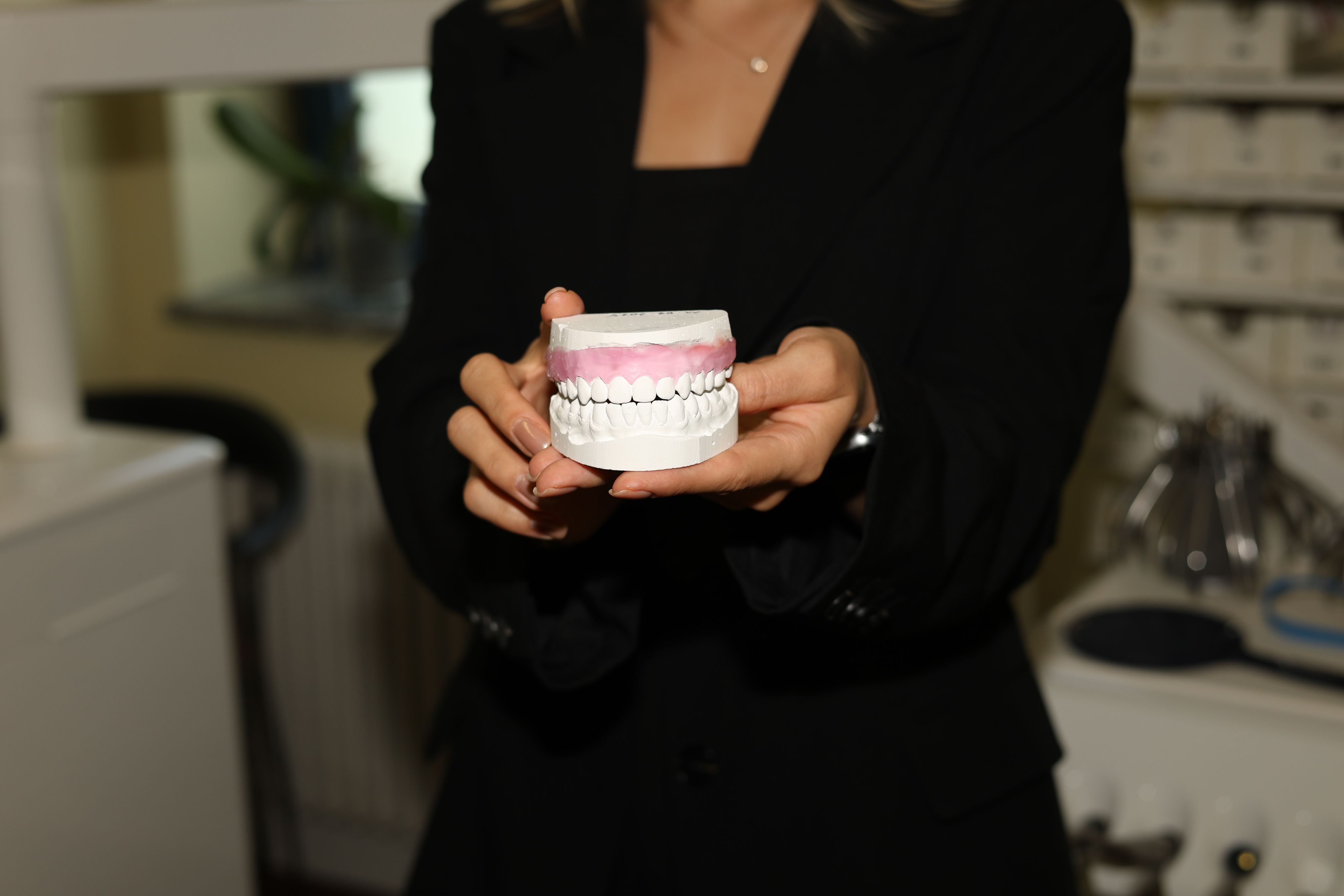
In the world of dentistry, patient understanding and comfort are paramount. One of the most effective tools in achieving this is the use of demo models. These tangible representations of dental procedures and anatomy can significantly enhance patient education and treatment uptake. By bridging the gap between complex dental concepts and patient comprehension, demo models play a crucial role in modern dental practices.
How Demo Models Enhance Patient Understanding
For many patients, dental procedures can seem intimidating or confusing. Demo models provide a visual and tactile way to explain these procedures, making them more relatable. When patients can see and touch a model, they are more likely to understand the process and the benefits of recommended treatments. This understanding can reduce anxiety and foster a sense of trust between the dentist and patient.
Moreover, demo models help in demonstrating the outcomes of potential treatments. For example, showcasing the results of orthodontic procedures using before-and-after models can be a compelling motivator for patients considering braces or aligners. This visual representation can help patients make informed decisions about their dental health.
Building Trust and Confidence
Trust is a cornerstone of any patient-dentist relationship. Demo models can enhance this trust by providing transparency. When patients see exactly what a procedure entails, they are more likely to believe in its necessity and efficacy. This transparency encourages open communication, allowing patients to ask questions and express concerns they might otherwise withhold.

Additionally, using demo models can showcase a dentist's commitment to patient care. It reflects a dedication to ensuring patients are fully informed and comfortable with their treatment options, which can enhance the perception of the practice's professionalism and care quality.
Improving Treatment Uptake
One of the critical benefits of using demo models is the potential increase in treatment uptake. When patients fully grasp the need and benefit of a procedure, they are more inclined to proceed with it. This understanding can lead to higher acceptance rates for elective procedures, benefiting both the patient and the practice.
Furthermore, demo models can be used to illustrate the consequences of delaying treatment. Visualizing the progression of untreated dental issues can prompt patients to act promptly, ensuring better oral health outcomes in the long run.
Integrating Demo Models into Practice
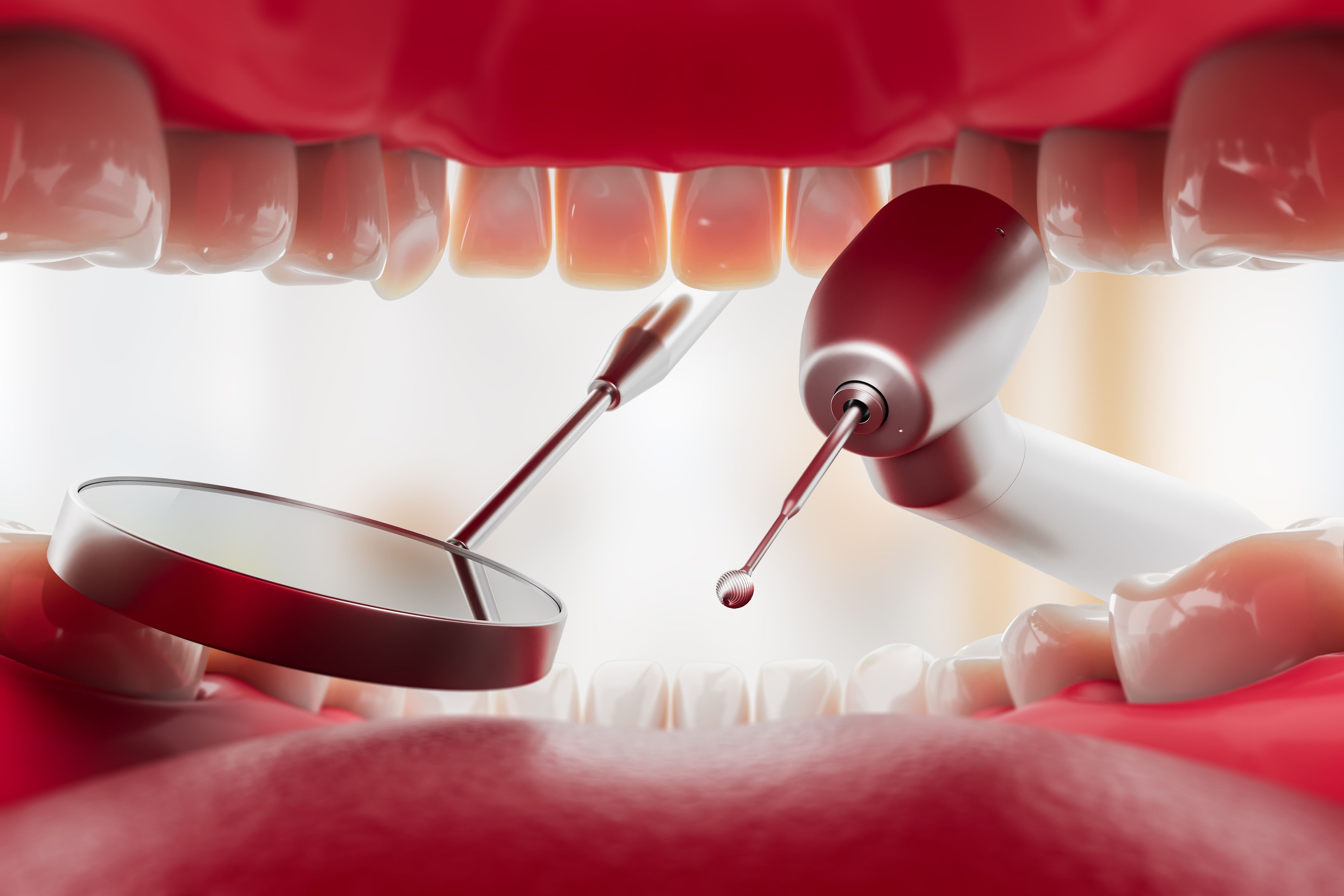
For dental practices looking to integrate demo models, the process is straightforward. Start by identifying common procedures or areas of patient concern. Invest in high-quality models that accurately represent these procedures. Train the dental team to utilize these models effectively during consultations.
Encouraging feedback from patients can also be beneficial. Understanding their experience with demo models can offer insights into improving communication strategies and enhancing overall patient satisfaction.
Conclusion
Demo models are a powerful tool in the arsenal of modern dentistry. By enhancing patient understanding, building trust, and improving treatment uptake, they contribute to better patient outcomes and a more successful dental practice. As the field of dentistry continues to evolve, embracing such innovative tools will be vital in meeting the needs of informed and engaged patients.