Comparing Traditional vs. 3D Printed Dental Models: What You Need to Know


Understanding Traditional Dental Models
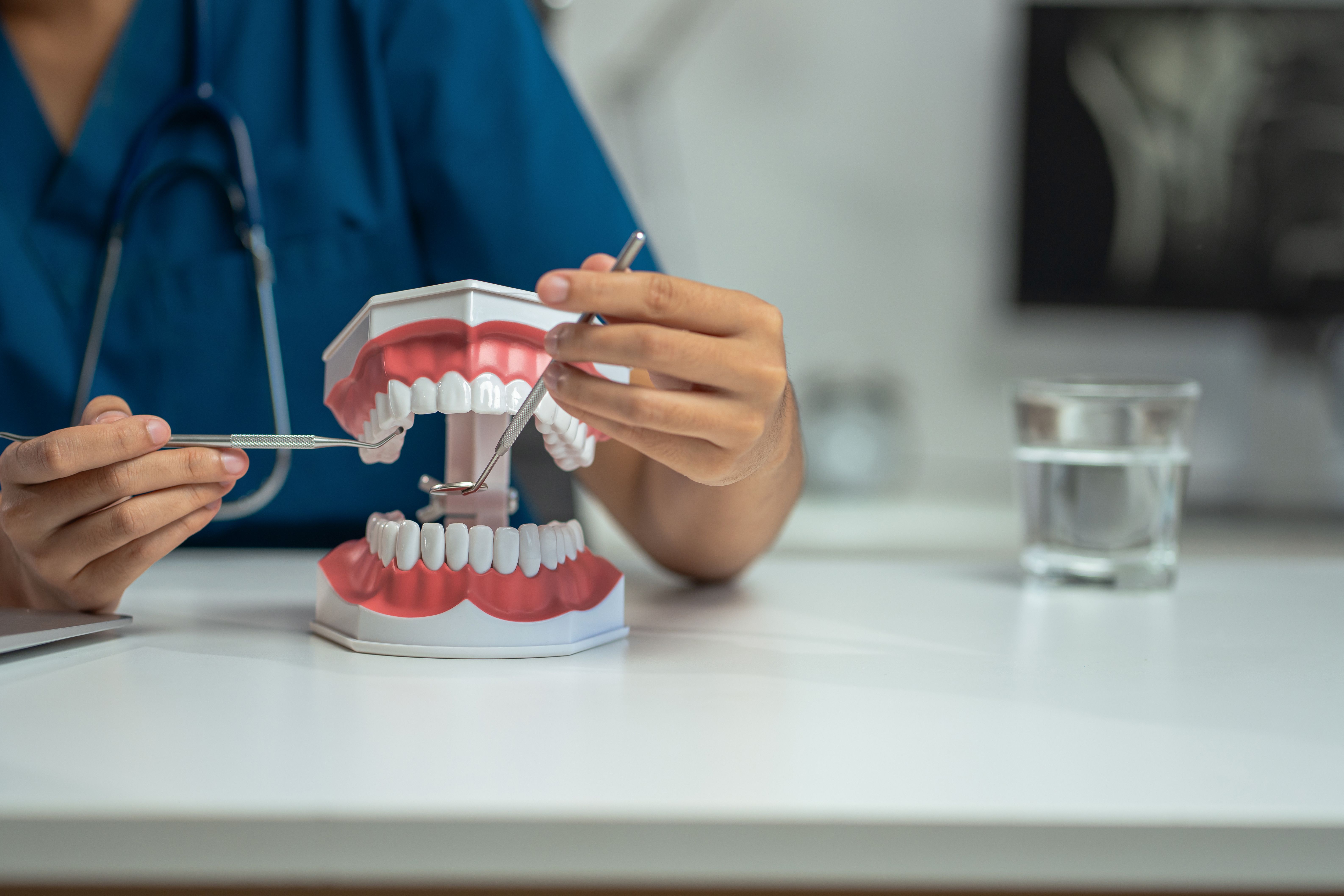
Traditional dental models have been a cornerstone in dentistry for decades. These models are typically made from plaster or stone, offering a tangible representation of a patient's dental structure. Dentists use these models for diagnosis, treatment planning, and creating orthodontic appliances.
The process involves taking physical impressions of a patient's teeth, which is then used to create the model. While effective, this method can be time-consuming and uncomfortable for patients.
Advantages of Traditional Models
Traditional dental models are known for their durability and accuracy. The materials used are robust, ensuring that the model can withstand handling and storage over time. Additionally, many dental professionals trust the tried-and-true methods due to their familiarity and reliability.
Introduction to 3D Printed Dental Models
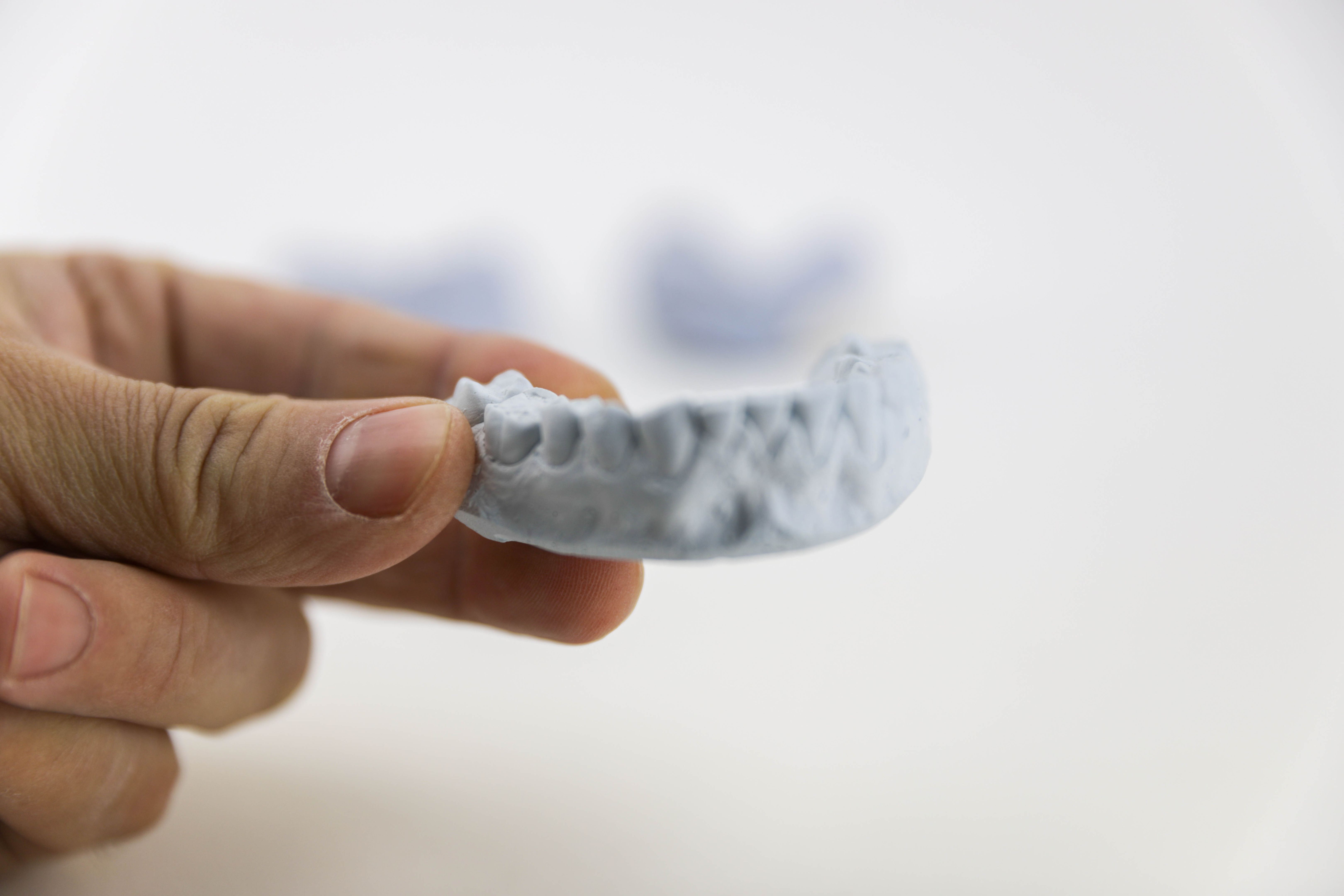
With advancements in technology, 3D printed dental models have emerged as a modern alternative. These models are created using digital scans and 3D printing technology, offering a precise and efficient solution for dental professionals.
The use of digital scans eliminates the need for physical impressions, providing a more comfortable experience for patients. The digital files can be easily stored and shared, enhancing collaboration between dental professionals.
Benefits of 3D Printing in Dentistry
3D printed dental models offer several benefits, including:
- Speed: The process is faster, reducing the time needed to create a model.
- Precision: Enhanced accuracy due to digital scanning and printing technology.
- Customization: Models can be easily adjusted and customized.
Comparing Cost and Accessibility
When comparing costs, traditional models often have lower initial material costs, but the labor-intensive process can increase overall expenses. In contrast, 3D printing technology may have higher upfront costs for equipment but can save money in the long run due to reduced labor and material waste.

Considerations for Dental Practices
Dental practices must consider factors such as initial investment, staff training, and patient preferences when deciding between traditional and 3D printed models. While traditional models are familiar, 3D printing offers a modern approach that aligns with the digital transformation of healthcare.
Conclusion: Making the Right Choice
Both traditional and 3D printed dental models have their place in modern dentistry. The choice between the two depends on the specific needs and capabilities of a dental practice. By evaluating the pros and cons of each method, dental professionals can make informed decisions that optimize patient care and operational efficiency.