Comparing Dental Restorative Options: A Dentist's Guide to 3D Models


Understanding Dental Restorative Options
In the realm of dentistry, restorative options are continually evolving, offering patients a wide array of choices to enhance their oral health and aesthetics. One of the latest advancements assisting dentists in making these decisions is the use of 3D models. These models bring clarity and precision to the decision-making process, ensuring that patients receive the best possible care.
The Role of 3D Models in Dentistry
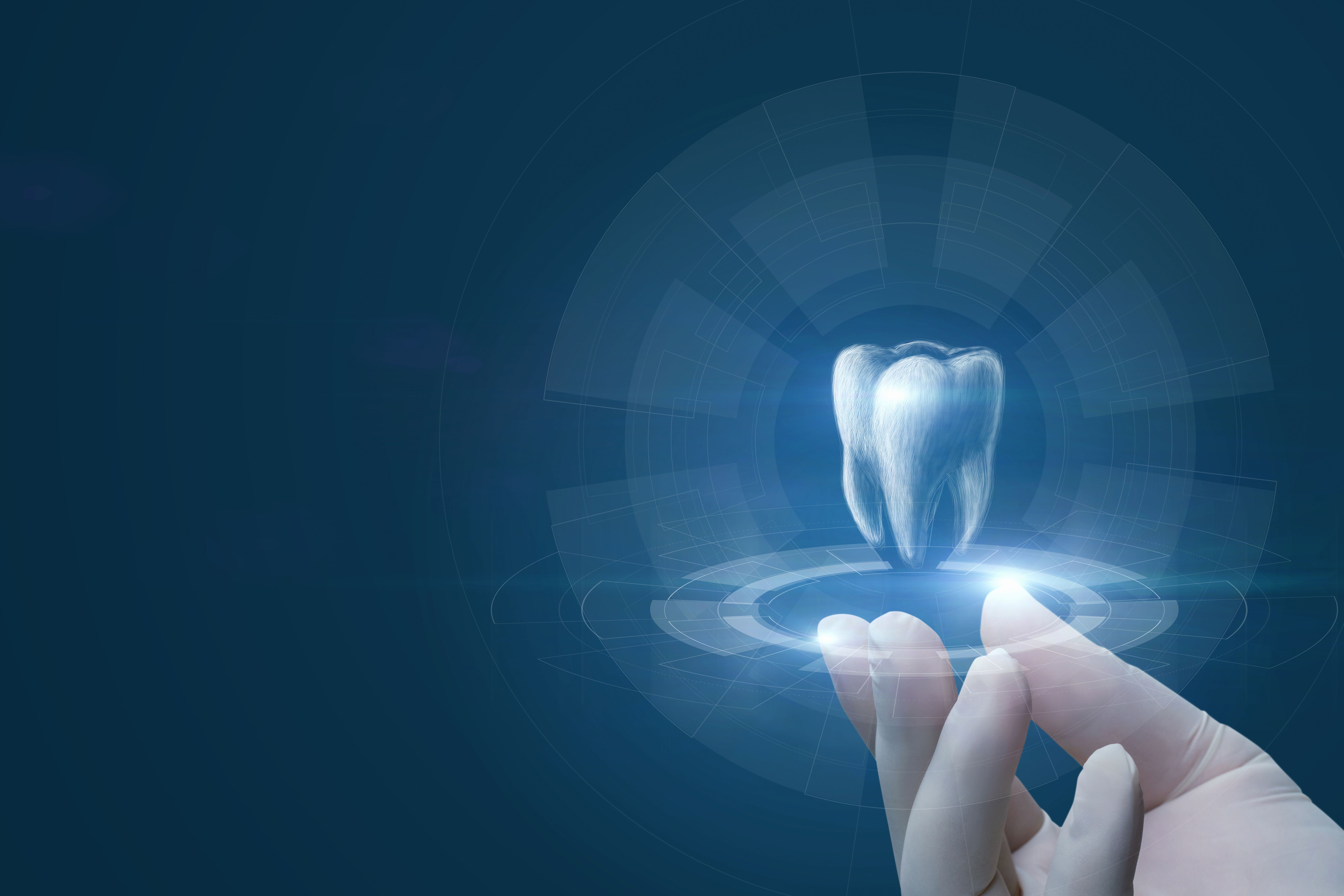
3D models have revolutionized the way dentists approach restorative treatments. By providing a detailed view of the patient's oral structure, these models enable dentists to create customized treatment plans. This innovation not only improves accuracy but also enhances patient understanding and involvement in their dental care.
Comparing Common Dental Restorative Options
When considering restorative options, it's essential to understand the benefits and limitations of each. Here’s a look at some of the most common solutions available today:
- Crowns: Ideal for covering damaged or decayed teeth, crowns restore both function and appearance.
- Bridges: These are used to replace one or more missing teeth by anchoring to adjacent natural teeth.
- Implants: Offering a permanent solution, implants mimic natural teeth with a titanium root and dental crown.
Advantages of Using 3D Models
Utilizing 3D models in restorative dentistry provides several advantages:
- Precision: 3D models allow for exact measurements, ensuring that restorations fit perfectly.
- Customization: Dentists can tailor treatments to the unique needs of each patient.
- Visualization: Patients can better understand their treatment options, leading to more informed decisions.
Integrating Technology into Dental Practice
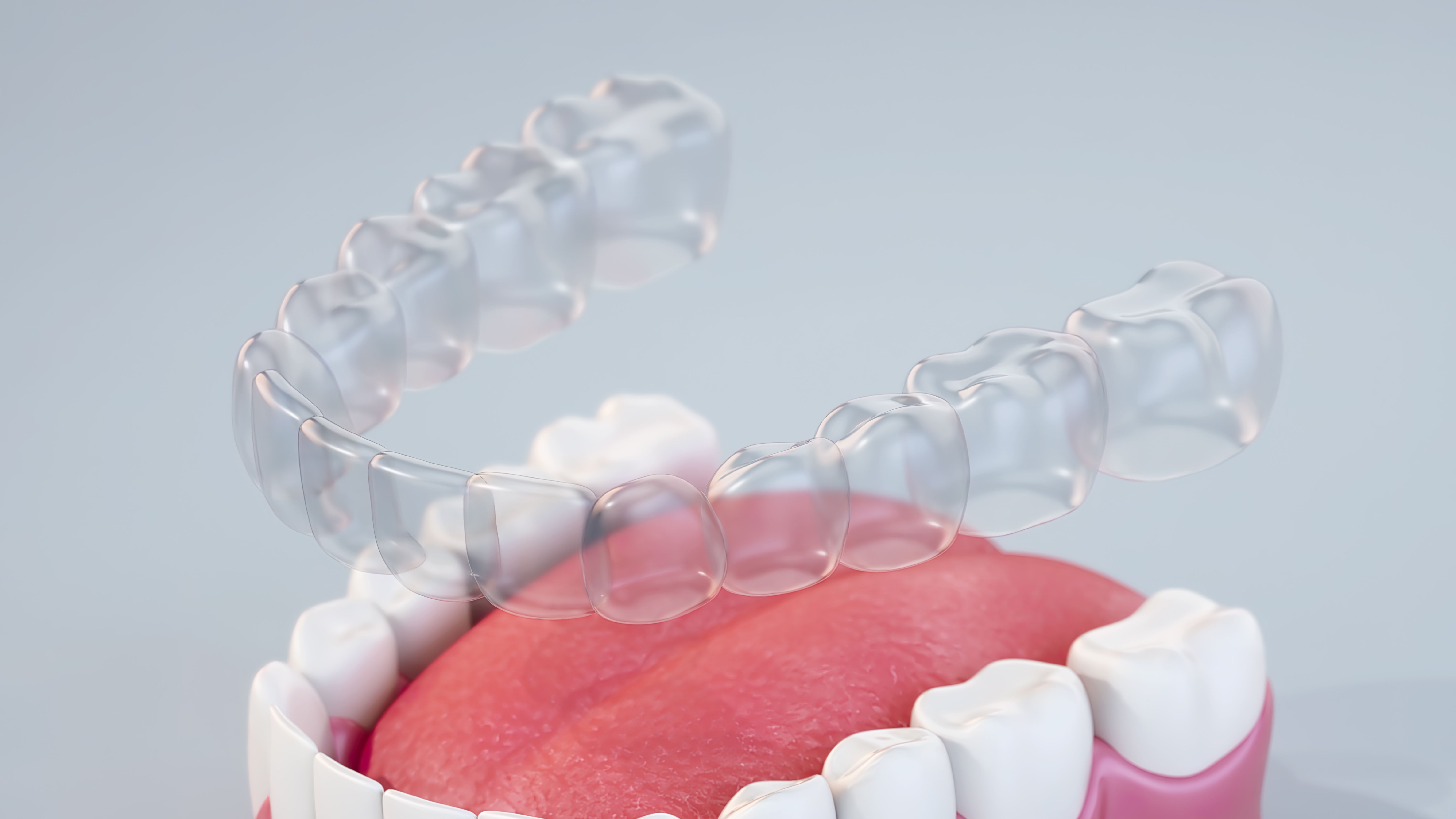
The integration of 3D models into dental practice represents a significant step forward in patient care. By utilizing advanced imaging techniques, dentists can diagnose issues more accurately and develop effective treatment plans tailored to individual needs.
Patient Benefits and Satisfaction
With this technology, patients experience a higher level of care. They are more involved in the treatment process, which can reduce anxiety and increase satisfaction. Understanding the specifics of their treatment empowers patients and fosters trust in their dental provider.

Future of Dental Restorations
As technology continues to advance, the future of dental restorations looks promising. The use of 3D models is just the beginning. Ongoing innovations will likely lead to even more refined techniques, improving both the efficiency and effectiveness of dental care.
In conclusion, the integration of 3D models into restorative dentistry is transforming the field, providing dentists with powerful tools to enhance patient outcomes. By staying informed about these advancements, both dentists and patients can look forward to a future of improved oral health and well-being.