Common Misconceptions About Dental Restorative Models


Dental restorative models play a crucial role in modern dentistry, yet there are numerous misconceptions surrounding them. Understanding the truth behind these myths can help patients make informed decisions about their dental health.
Misconception 1: Dental Restorations Are Only for Aesthetics
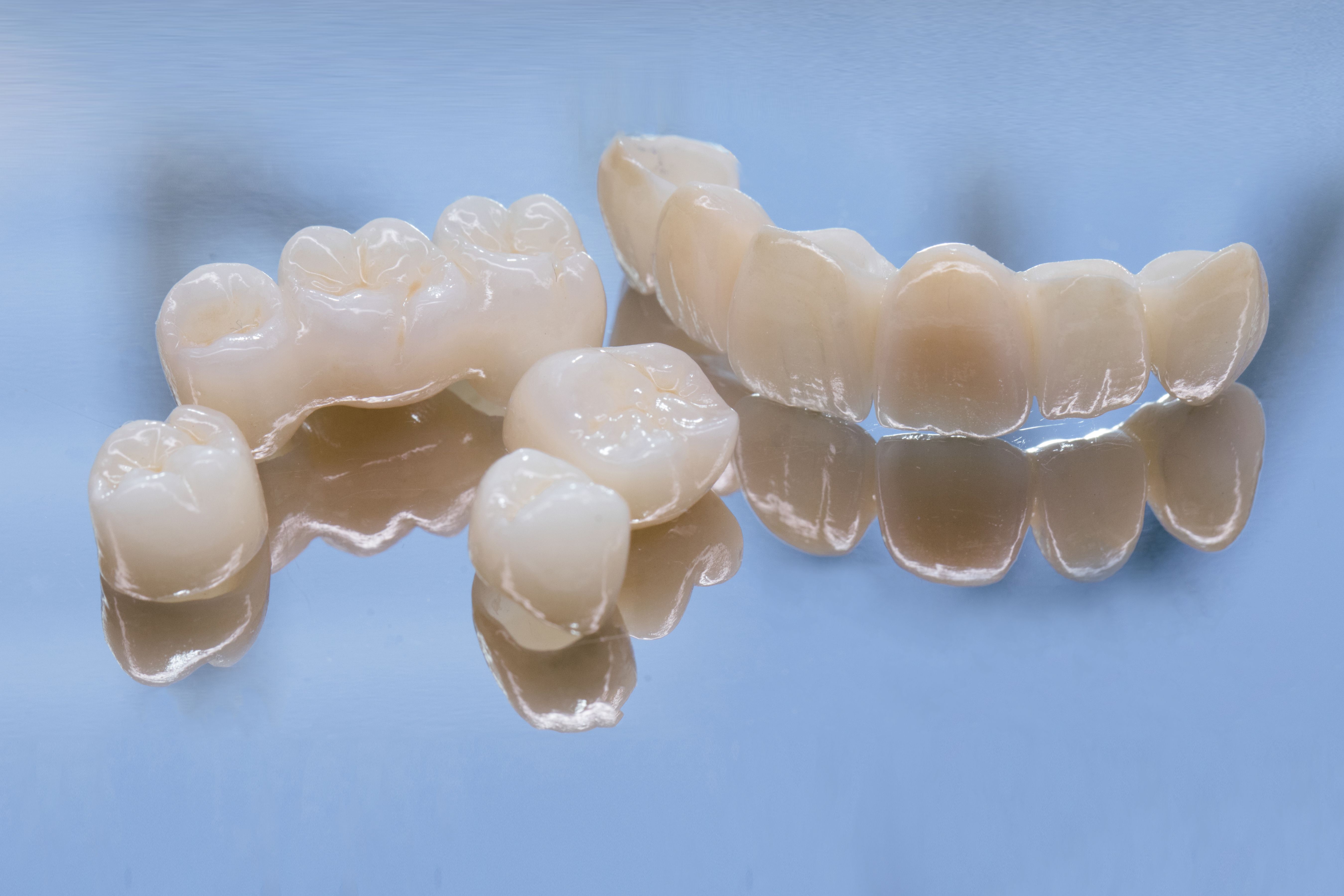
Many people believe that dental restorations are primarily for cosmetic purposes. While it's true that they significantly enhance the appearance of your teeth, their main function is to restore the tooth's structure and function. Restorations can prevent further decay, improve chewing ability, and protect against future damage.
Functional Benefits of Restorations
Restorations such as crowns, fillings, and bridges provide structural support to weakened teeth, which can prevent more complex dental issues. By maintaining the integrity of the tooth, restorations help in distributing bite forces evenly, reducing stress on other teeth.
Misconception 2: All Restorations Are the Same
Another common misconception is that all dental restorations are created equal. In reality, there are various types of restorative materials, each with its own benefits and limitations. Common materials include amalgam, composite resin, porcelain, and gold, and the choice depends on the specific needs of the patient.
Choosing the Right Material
The selection of material depends on several factors such as the location of the tooth, the extent of damage, cost considerations, and the patient's aesthetic preferences. For example, composite resins are popular for their aesthetic appeal, while gold is valued for its durability.
Misconception 3: Restorations Last a Lifetime
Some patients expect their dental restorations to last forever. However, like any medical treatment, they have a lifespan and may need to be replaced over time. Factors such as oral hygiene, wear and tear, and material choice can affect their longevity.

Maximizing Restoration Lifespan
To prolong the life of dental restorations, it's essential to maintain good oral hygiene, including regular brushing, flossing, and dental check-ups. Avoiding habits that can damage teeth, such as chewing on hard objects, is also beneficial.
Misconception 4: Restorations Are Painful
Fear of pain often deters people from seeking necessary dental restorations. Thanks to advancements in dental technology and anesthetics, most restorative procedures are virtually painless. Dentists use various techniques to ensure patient comfort throughout the process.

Understanding the Procedure
Before the procedure, dentists typically numb the area with local anesthesia to minimize discomfort. Post-procedure, any mild soreness or sensitivity is usually temporary and manageable with over-the-counter pain relievers.
By debunking these misconceptions, we hope to encourage a better understanding of dental restorative models. It's important to consult with your dentist to explore the options best suited to your dental needs, ensuring both health and confidence in your smile.