Choosing the Right Dental Restoration Model: A Comprehensive Guide for Dentists


In the ever-evolving field of dentistry, selecting the appropriate dental restoration model is crucial for achieving the best outcomes for your patients. With the variety of options available, it's essential to stay informed about the latest advancements and techniques. This guide will help you navigate the decision-making process, ensuring you choose the right solution for each unique case.
Understanding Different Dental Restoration Models
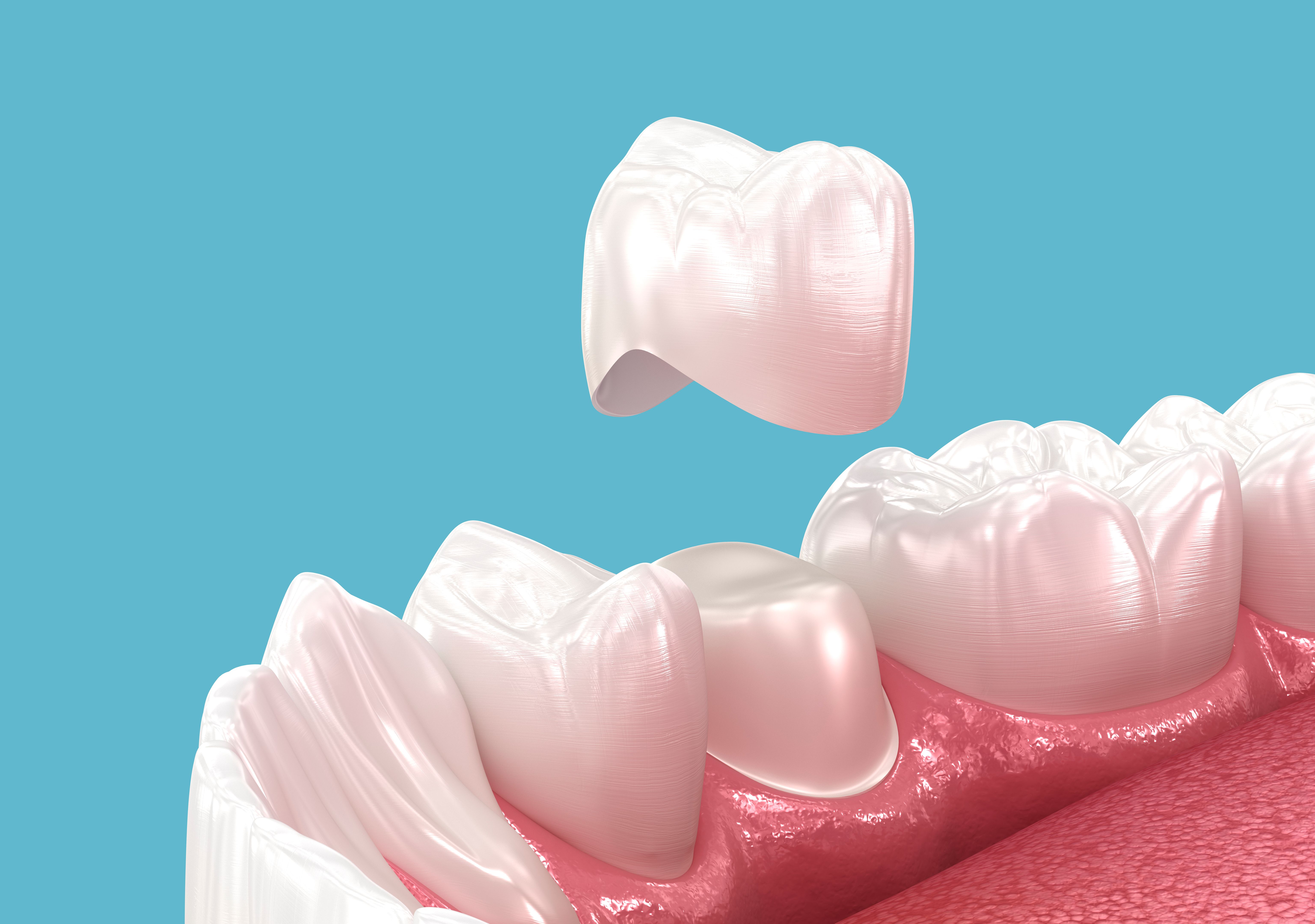
Dental restoration encompasses a range of techniques used to restore the function, integrity, and morphology of missing tooth structures. The most common types include crowns, bridges, dentures, and implants. Each model serves a specific purpose and is selected based on the patient's needs and oral health status.
Crowns are a popular choice for restoring a single tooth that has been damaged due to decay or fracture. Bridges, on the other hand, are used to replace one or more missing teeth by anchoring to adjacent healthy teeth. Dentures provide a removable solution for replacing multiple teeth, while implants offer a permanent, fixed alternative.
Factors to Consider When Choosing a Restoration Model
Several factors influence the choice of dental restoration. Patient's oral health is a primary consideration; for instance, those with periodontal disease may not be suitable candidates for implants. Additionally, the location of the missing or damaged tooth plays a role, as it impacts the aesthetics and function of the restoration.
Another crucial factor is the patient's budget and preference. Some patients may prefer a particular type of restoration due to aesthetic concerns or comfort, while others may be restricted by financial considerations. It's important to discuss all available options with your patients to ensure they make an informed decision.
Advancements in Dental Materials
Recent advancements in dental materials have significantly expanded the options available for restoration. Zirconia and lithium disilicate are two modern materials that offer enhanced durability and aesthetics compared to traditional materials like porcelain and gold.
Zirconia is known for its strength and biocompatibility, making it an ideal choice for crowns and bridges, especially in the posterior region. Lithium disilicate, on the other hand, is favored for its aesthetic properties, making it suitable for anterior restorations where appearance is critical.
Digital Technology in Dental Restoration
The integration of digital technology in dental restoration has revolutionized the way dentists approach treatment planning and execution. Digital impressions and CAD/CAM systems have streamlined the process, allowing for more precise and efficient restorations.
These technologies not only enhance the accuracy of restorations but also improve patient experience by reducing chair time and the need for multiple visits. As a dentist, staying updated with these technological advancements can greatly benefit your practice and patient satisfaction.
Collaboration with Dental Laboratories
Working closely with a reliable dental laboratory is essential for achieving high-quality restorations. The expertise and craftsmanship of laboratory technicians play a significant role in the success of the restoration process.
Ensure that you maintain clear communication with your chosen laboratory, providing detailed specifications and feedback. This collaboration will help in creating restorations that meet both the functional and aesthetic expectations of your patients.
Conclusion
Choosing the right dental restoration model involves a comprehensive understanding of the available options, patient preferences, and advancements in dental materials and technology. By considering all these factors and collaborating with skilled professionals, you can ensure the best outcomes for your patients, enhancing both their oral health and quality of life.