Choosing the Right 3D Printed Demo Model for Your Dental Practice


Introduction to 3D Printed Demo Models in Dentistry
In recent years, the dental industry has witnessed a significant transformation with the introduction of 3D printing technology. These advancements have enabled dental practitioners to create highly accurate demo models, enhancing patient communication and treatment planning. Choosing the right 3D printed demo model for your practice can greatly enhance patient satisfaction and improve clinical outcomes.
Understanding Your Practice’s Needs
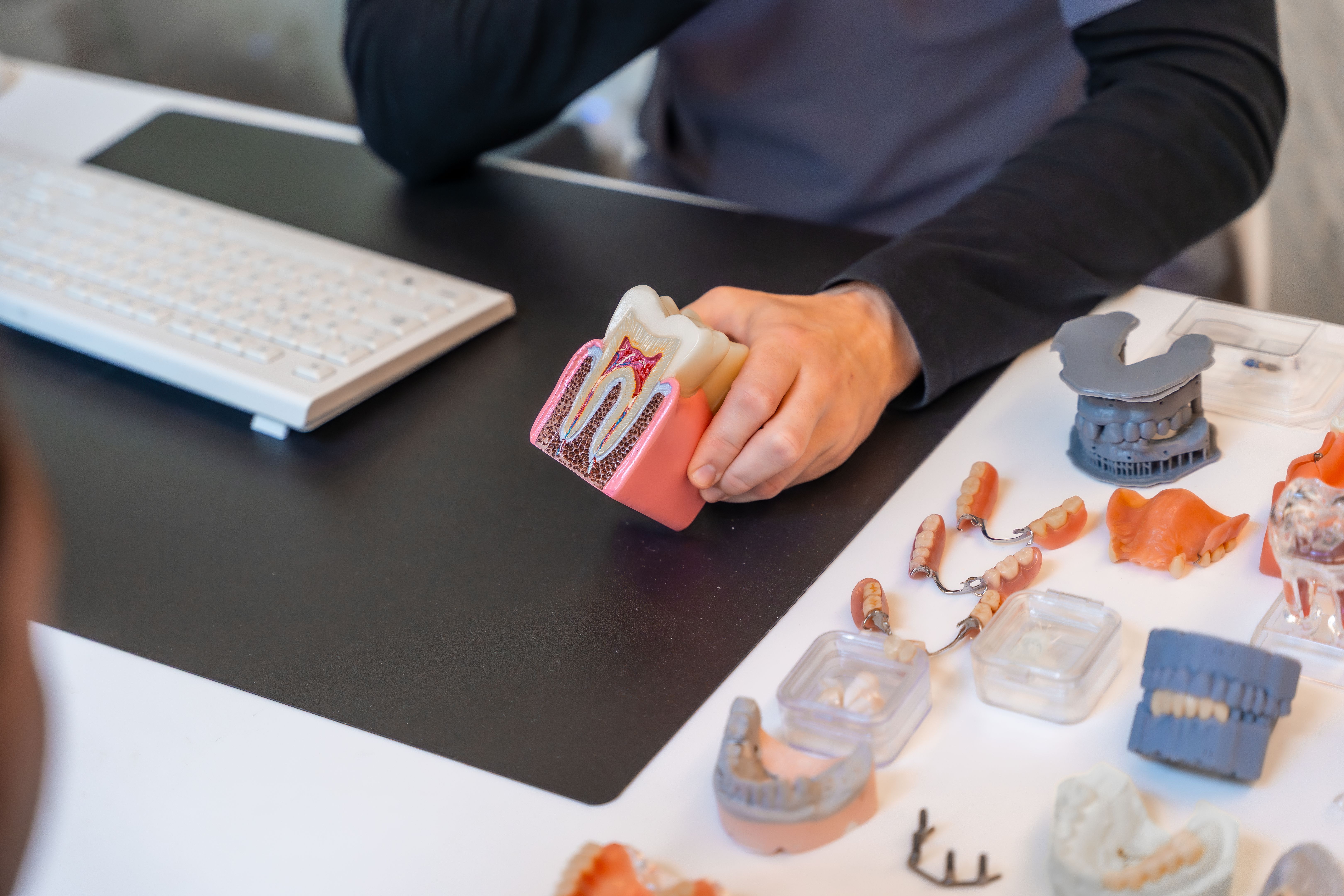
Before selecting a 3D printed demo model, it's essential to assess the specific needs of your dental practice. Consider the types of procedures you frequently perform and the complexity of cases you handle. This will help in determining the level of detail and accuracy required in your demo models.
For instance, an orthodontic practice might benefit from models that illustrate bite alignment and jaw positioning, while a cosmetic dentistry practice may focus on smile design and veneer placements.
Types of 3D Printed Models
There are several types of 3D printed models available for dental practices, including:
- Anatomical Models: These models provide a detailed representation of dental anatomy, useful for patient education and surgical planning.
- Diagnostic Models: Used for treatment planning and simulation, helping dentists anticipate potential challenges.
- Custom Models: Tailored to individual patient needs, these models offer a personalized approach to treatment planning.
Materials and Technology
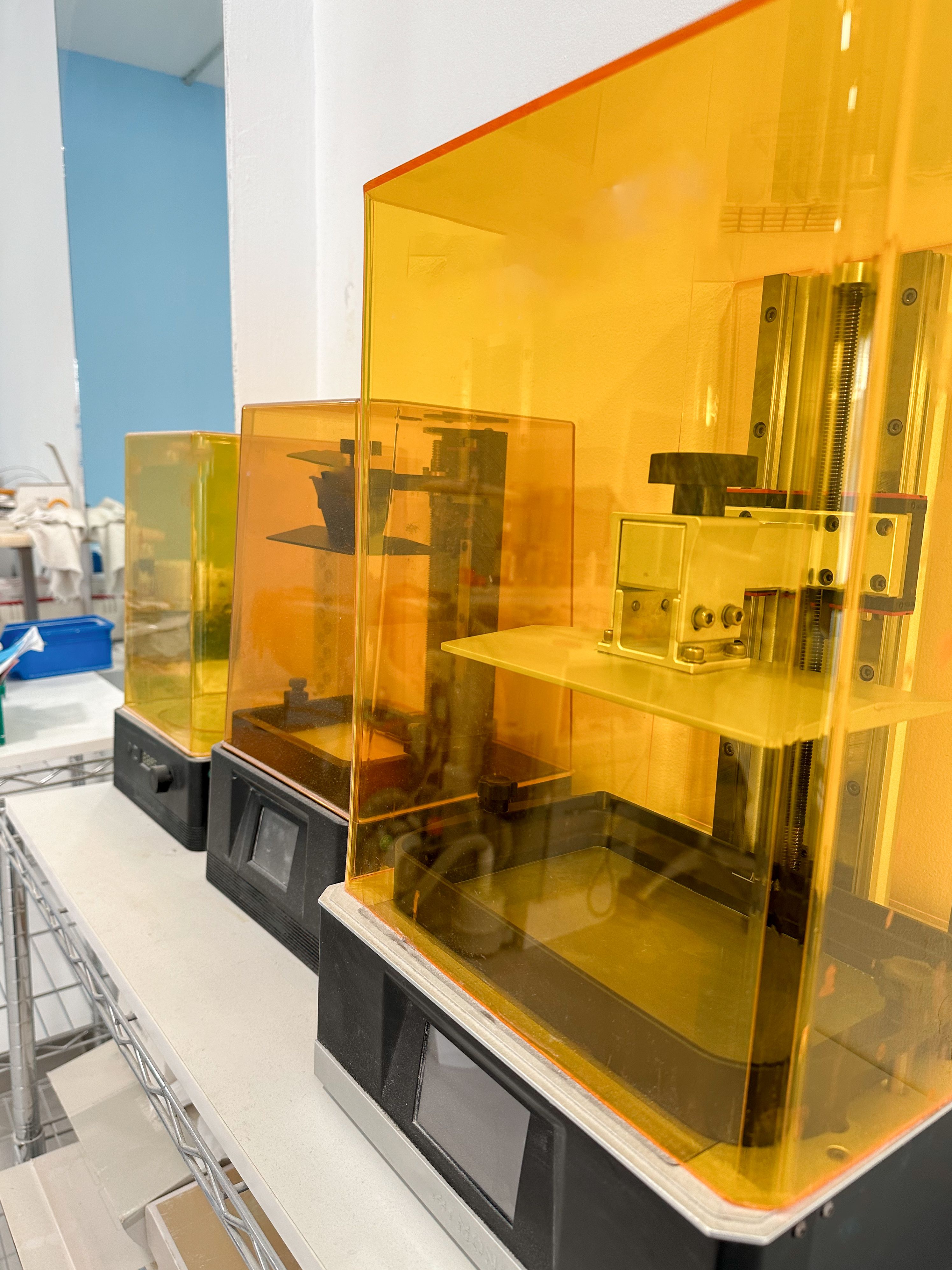
The choice of material is crucial when selecting a 3D printed demo model. Common materials include resins, plastics, and metals, each offering different levels of detail and durability. For practices requiring high precision, such as implantology, resin models might be ideal due to their fine detail and accuracy.
Additionally, consider the printing technology used. Stereolithography (SLA) and Digital Light Processing (DLP) are popular for their high resolution, making them suitable for intricate dental models.
Cost Considerations
While 3D printing technology has become more accessible, it’s important to consider your budget. The cost of 3D printed models can vary based on complexity, material, and technology used. Investing in high-quality models can result in better patient outcomes and increased practice efficiency.
Implementing 3D Models into Your Practice
Once you've selected the appropriate models, integrating them into your practice involves training staff and adjusting workflows. This ensures that the models are used effectively to enhance patient understanding and improve treatment planning.
Engage your team in training sessions to familiarize them with the models and their applications. Encourage collaboration between dentists and technicians to optimize the use of these tools.
Enhancing Patient Experience
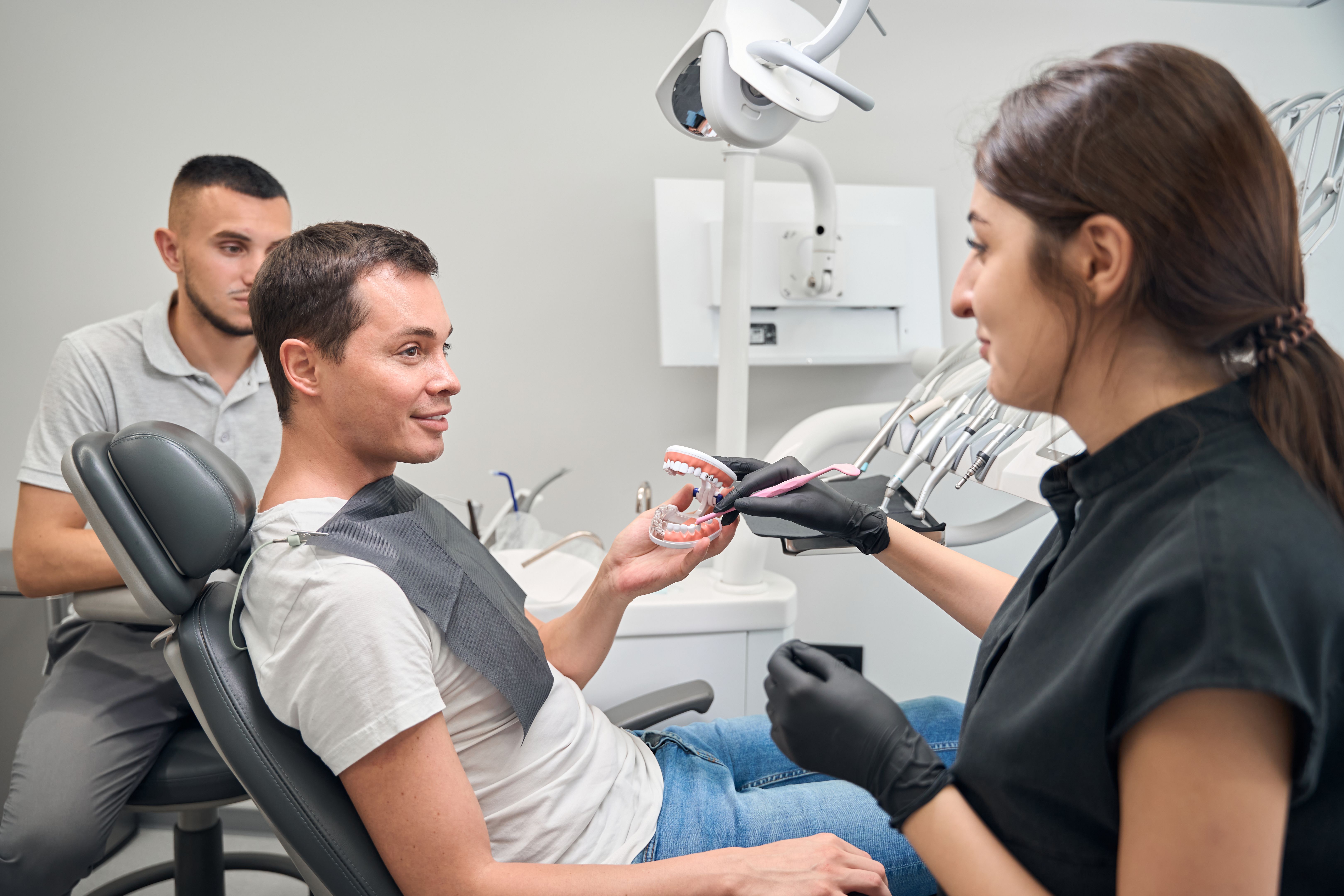
3D printed demo models can significantly enhance the patient experience by providing a tangible representation of proposed treatments. This helps in building trust and ensuring patients are well-informed about their procedures.
By visualizing the treatment plan, patients can make more informed decisions, leading to increased satisfaction and compliance with dental recommendations.
Conclusion
Choosing the right 3D printed demo model for your dental practice is a critical decision that can impact patient care and practice efficiency. By understanding your specific needs, selecting appropriate materials and technologies, and effectively integrating these models into your workflow, you can elevate your practice to new heights of success.