Boosting Treatment Acceptance: The Role of Demo Models in Patient Education


Understanding the Importance of Treatment Acceptance
In the realm of healthcare, ensuring that patients accept and adhere to treatment plans is crucial for successful outcomes. However, many patients feel hesitant or unsure about proceeding with recommended treatments. This is where effective patient education plays a pivotal role, and one innovative method involves the use of demo models.
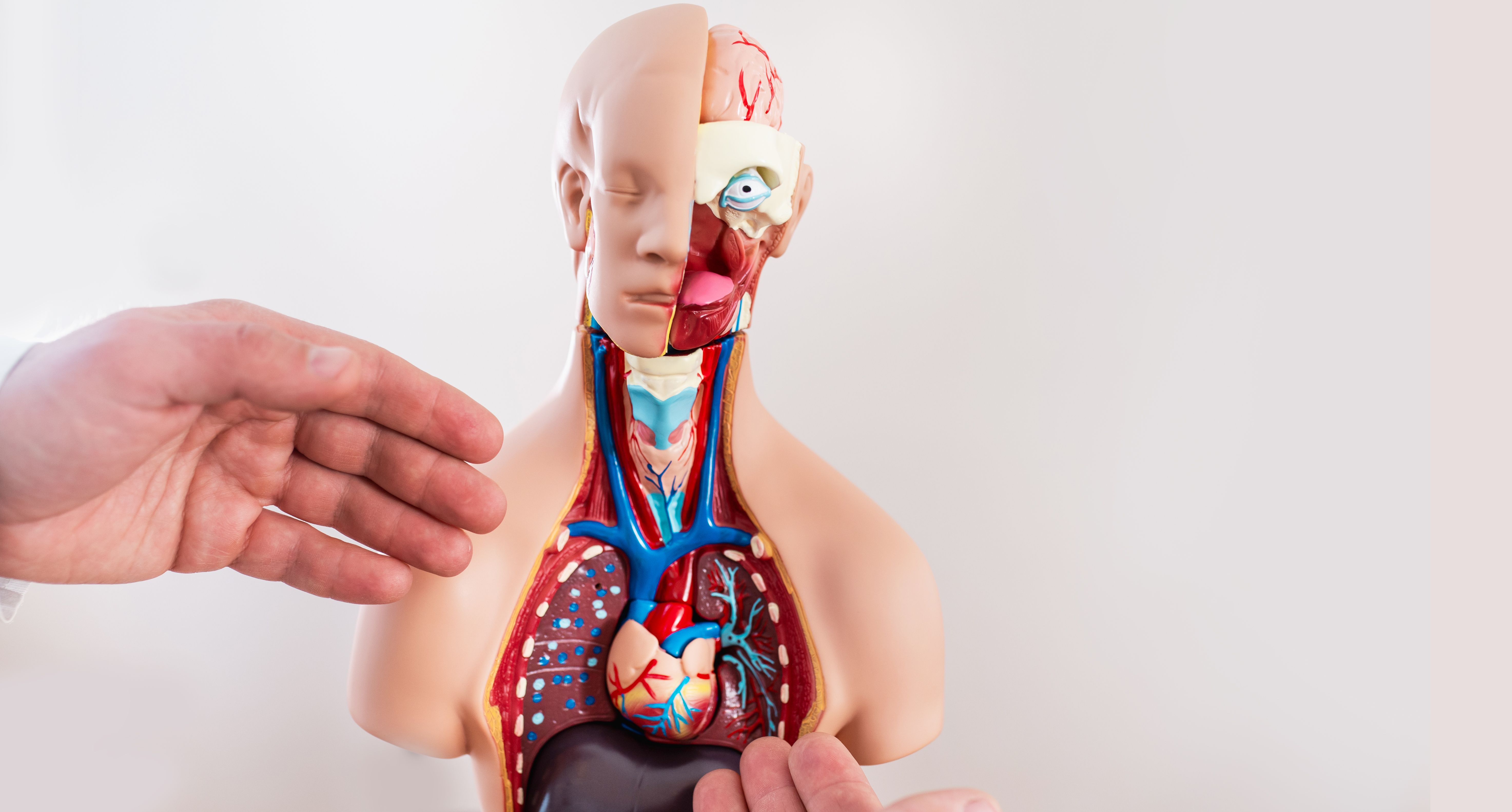
Demo models are tangible representations of medical scenarios or procedures that help patients visualize and understand their treatments better. By bridging the gap between complex medical jargon and patient comprehension, demo models can significantly boost treatment acceptance rates.
The Power of Visual Learning
Visual aids have long been recognized as powerful tools in education. In healthcare, demo models serve as an extension of this principle by allowing patients to see and sometimes even feel what a procedure entails. This hands-on approach demystifies the treatment process, making it less intimidating and more approachable.
For instance, a dental clinic might use a model to show how a dental implant works. By seeing and touching the model, patients can better understand the procedure and the benefits, reducing their anxiety and increasing their willingness to proceed.

Enhancing Communication Between Providers and Patients
Communication is key in healthcare, and demo models facilitate clearer dialogues between healthcare providers and patients. When patients can visualize what their treatment involves, they are more likely to engage in meaningful discussions, ask pertinent questions, and express any concerns they might have.
Providers can use demo models to explain complex procedures in simpler terms, ensuring that patients feel informed and confident about their decisions. This level of understanding is crucial for building trust and promoting treatment acceptance.

Different Types of Demo Models
There are various types of demo models used in healthcare, ranging from anatomical models to digital simulations. Each serves a unique purpose and can be tailored to specific treatments or procedures.
- Anatomical Models: These are physical models replicating body parts or organs, used to demonstrate surgeries or medical conditions.
- Digital Simulations: Interactive software that allows patients to visualize procedures in a virtual environment.
- Educational Videos: Visual and auditory aids that explain treatments step-by-step.
Integrating Demo Models into Practice
Implementing demo models into patient education requires a strategic approach. Healthcare providers should consider the type of treatments offered and select models that best suit their patient demographics and common procedures.
Staff training is also essential to ensure that the demo models are used effectively. Providers should be adept at using these tools to communicate clearly and concisely with patients, enhancing the overall educational experience.

The Impact on Patient Satisfaction and Outcomes
When patients have a clear understanding of their treatments, they are more likely to feel satisfied with their healthcare experiences. Demo models contribute to this satisfaction by reducing uncertainty and fear, empowering patients to take an active role in their healthcare decisions.
Moreover, informed patients are more likely to adhere to their treatment plans, leading to better health outcomes and a reduction in follow-up visits or complications. This not only benefits the patients but also the healthcare providers by improving overall efficiency and success rates.
In conclusion, the integration of demo models in patient education is a powerful strategy to enhance treatment acceptance. By making medical procedures more accessible and understandable, healthcare providers can foster a more trusting and collaborative relationship with their patients, ultimately leading to improved health outcomes and patient satisfaction.