A New Approach to Dental Education: The Impact of 3D Printed Models


Introduction to 3D Printing in Dental Education
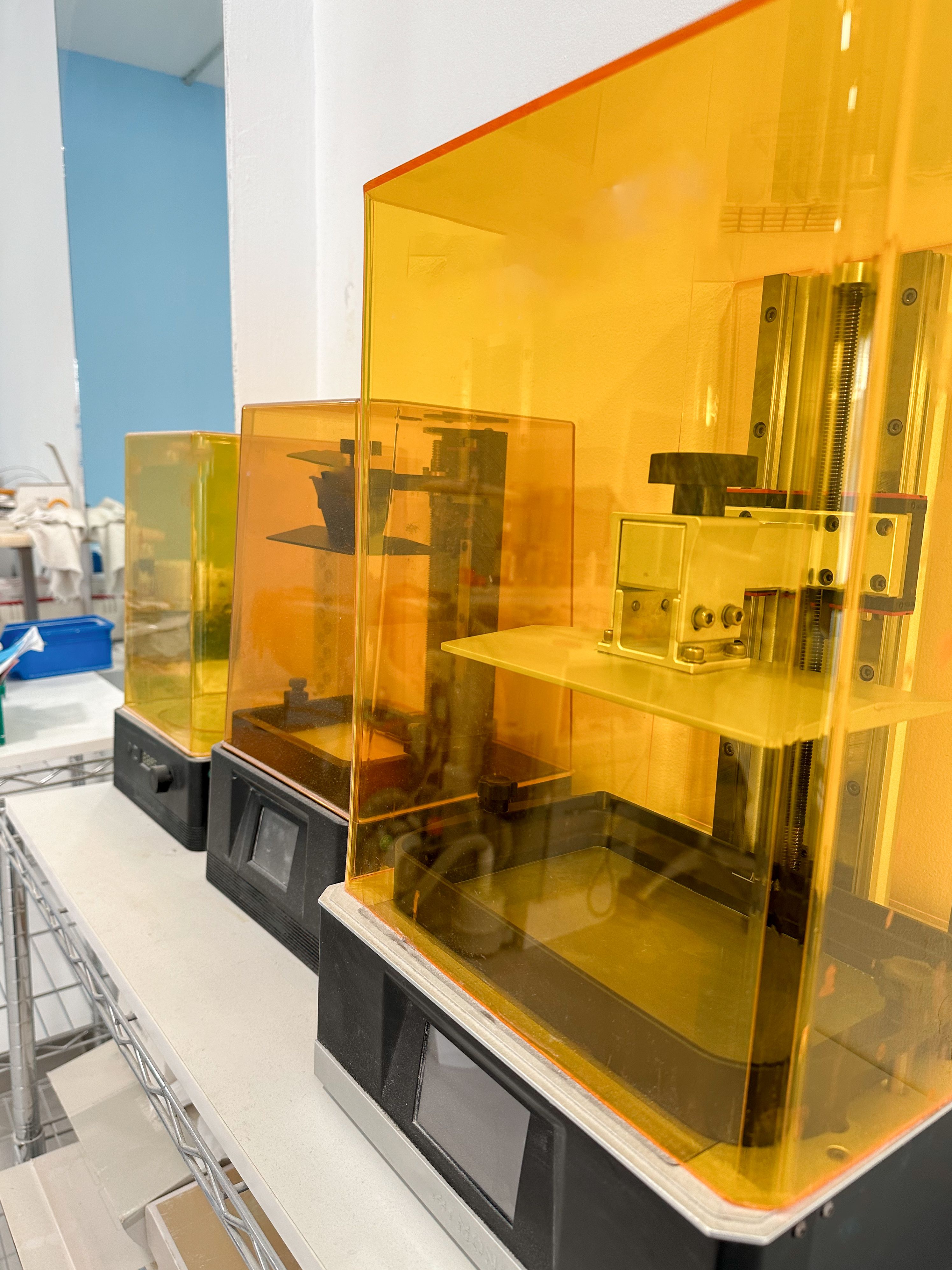
The integration of 3D printing technology into dental education is revolutionizing the way students learn and practice. This innovative approach offers a hands-on experience that was previously difficult to achieve, providing a significant enhancement to traditional teaching methods.
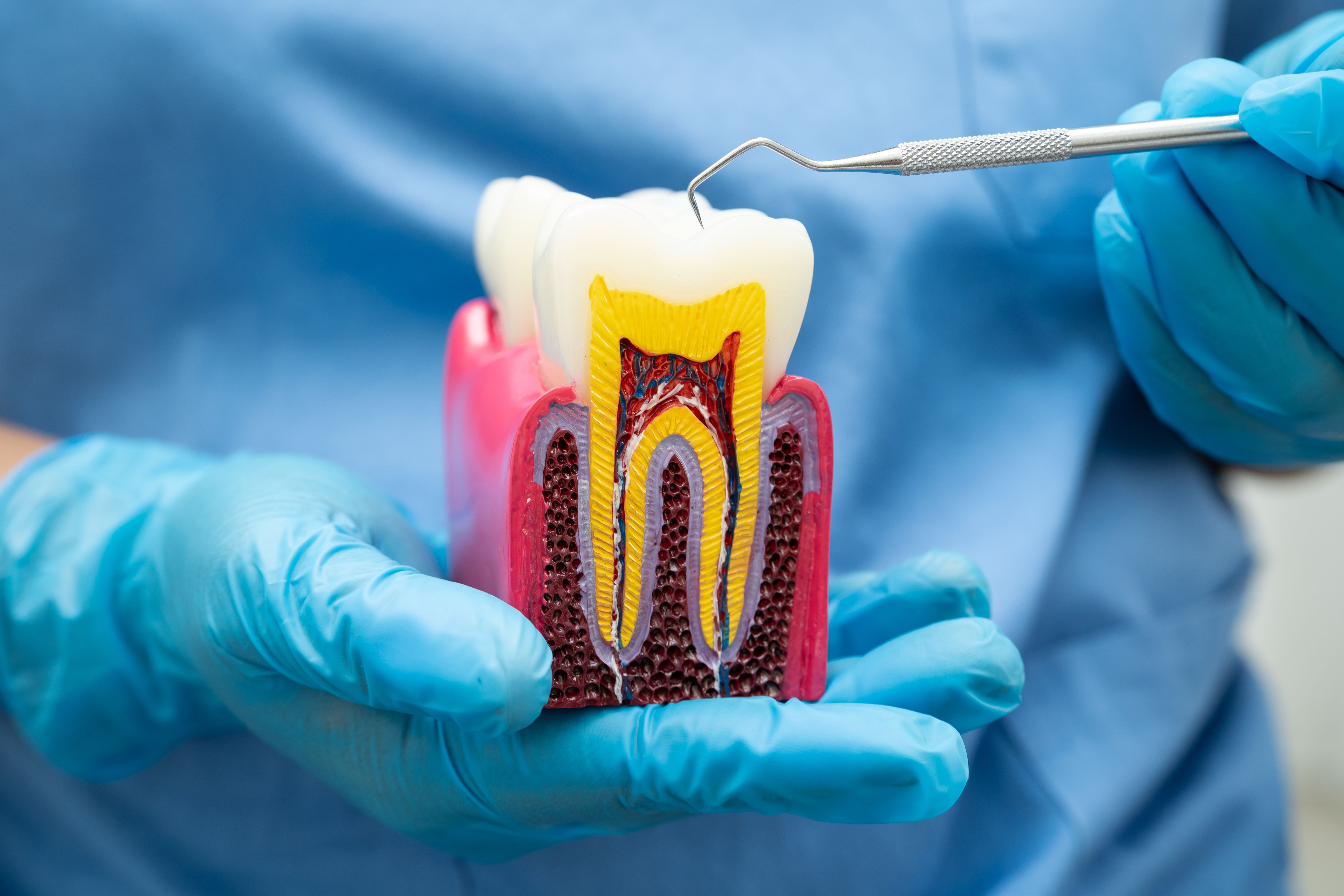
3D printed models serve as a powerful tool for dental students, enabling them to visualize and interact with complex dental structures. These models are not only accurate but also customizable, allowing for a more personalized learning experience.
Advantages of 3D Printed Models
One of the most notable advantages of 3D printed models is their realistic representation of dental anatomy. Students can explore intricate details that are often missed in textbooks or digital simulations. This tactile learning aids in better retention and understanding of complex concepts.
Moreover, 3D printed models are cost-effective. Producing these models is cheaper than traditional methods, reducing the financial burden on educational institutions and students alike. Additionally, they can be reused, making them a sustainable option for ongoing education.
Customization and Flexibility
The ability to customize models to suit specific educational needs is another significant benefit. Educators can create models that focus on particular areas of interest or difficulty, allowing students to practice and improve their skills in a targeted manner.
Impact on Clinical Skills
The use of 3D printed models in dental education enhances students' clinical skills. By practicing on these models, students gain confidence and proficiency before transitioning to real-life situations. This preparation is invaluable in reducing anxiety and improving patient care.
Feedback and Assessment
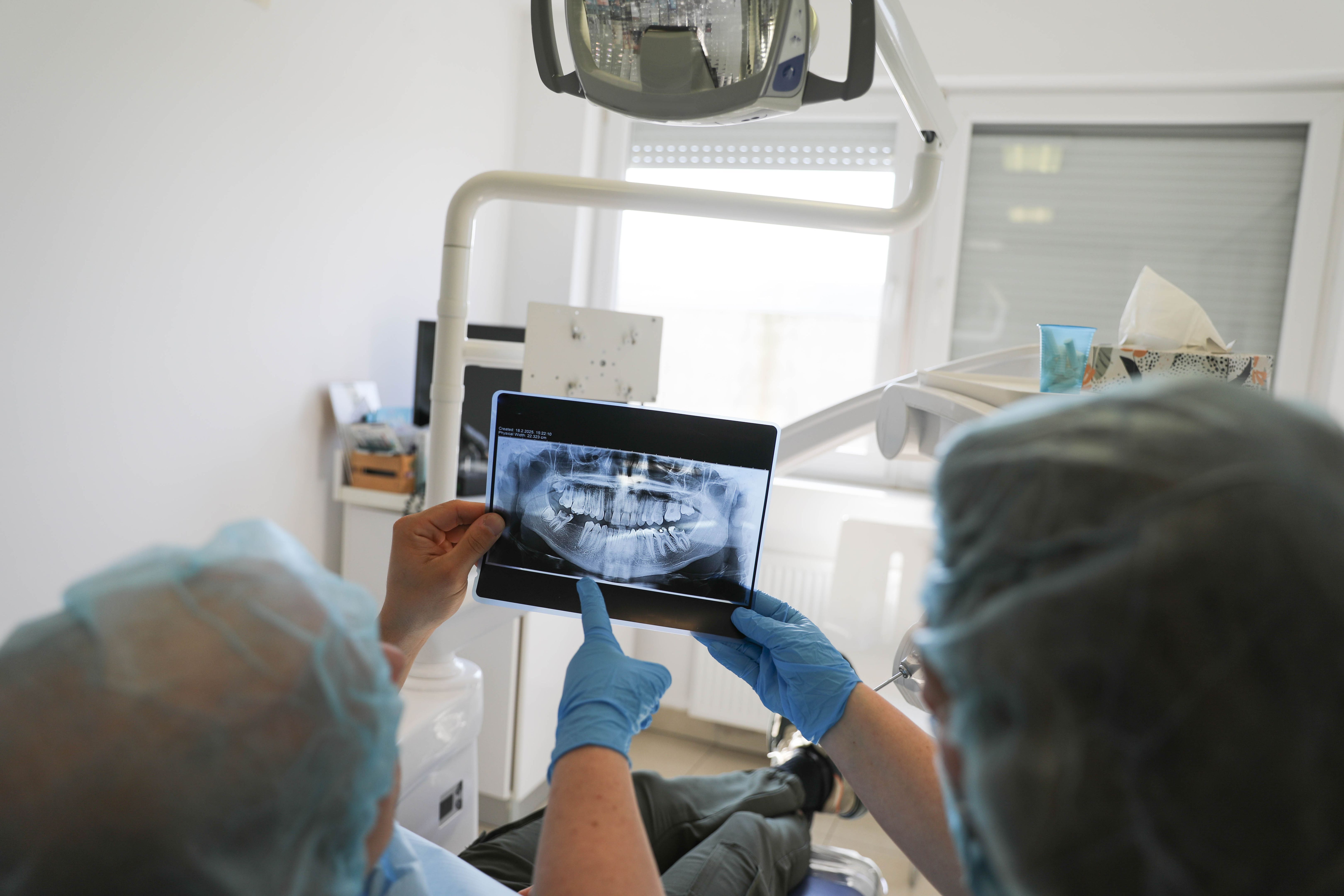
3D printed models also facilitate better feedback and assessment. Educators can easily evaluate a student's technique and provide constructive feedback, helping them to refine their skills more effectively. This continuous feedback loop is crucial for student development.
Future Prospects
As technology continues to advance, the role of 3D printing in dental education is expected to grow. Future developments may include more sophisticated models and integration with other technologies such as augmented reality, further enhancing the learning experience.
Institutions that embrace these innovations are likely to lead the way in dental education, setting new standards for training and preparing students for successful careers in dentistry.