A Dentist's Guide to Boosting Treatment Uptake with Demo Models


Introduction to Demo Models in Dentistry
In the ever-evolving field of dentistry, patient engagement and education play crucial roles in boosting treatment uptake. One effective tool that has proven invaluable is the use of demo models. These models serve as tangible, visual aids that enhance patient understanding and confidence in proposed treatments.
The Importance of Visual Learning
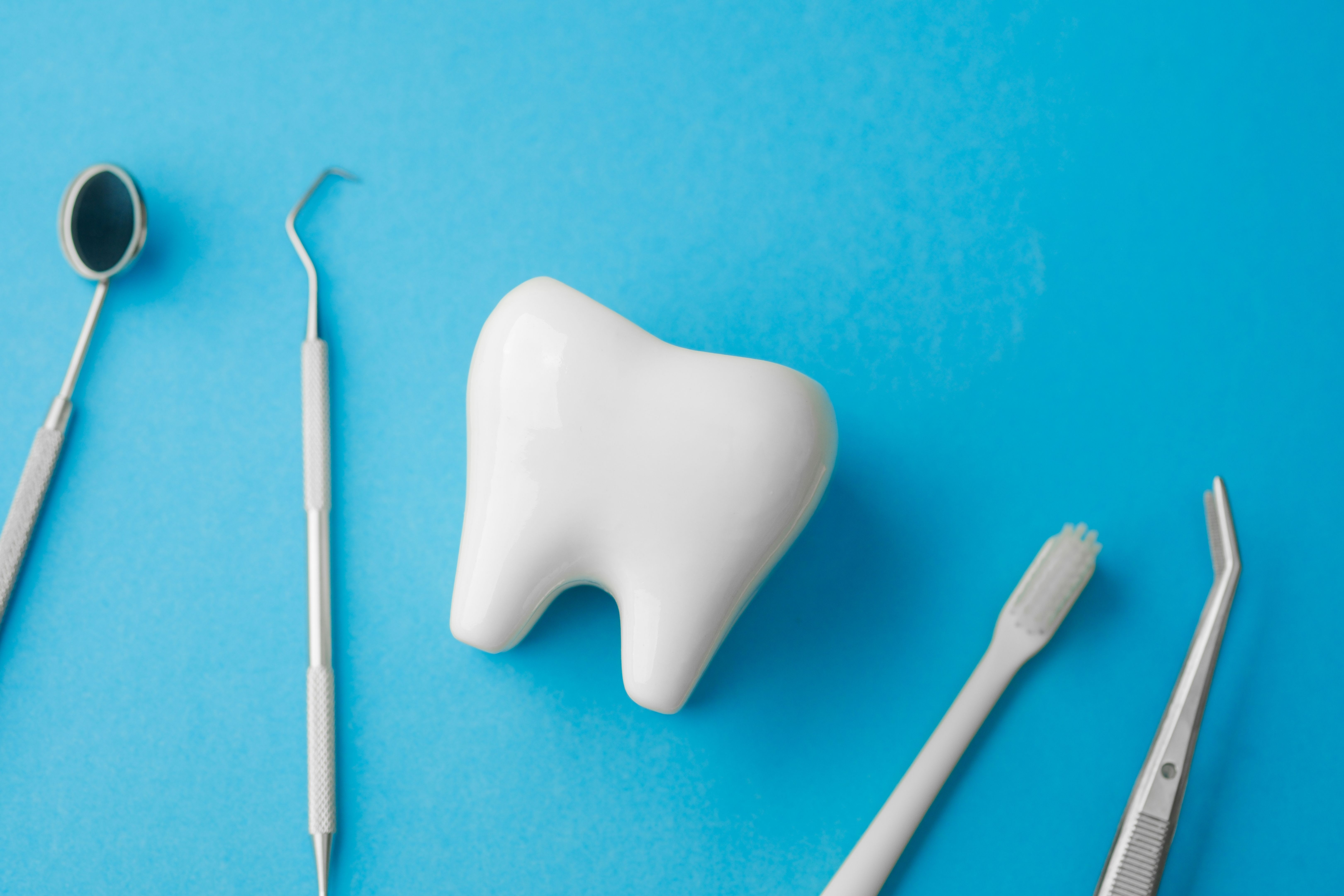
Visual learning is a powerful method of communication, especially in healthcare. Many patients struggle to grasp complex dental procedures through verbal explanations alone. Demo models bridge this gap by providing a clear, three-dimensional representation of dental treatments.
By seeing a demo model, patients can better understand the procedure, its benefits, and the expected outcomes. This visual representation helps demystify dental treatments, making them more approachable and less intimidating.
Building Trust and Confidence
Trust is a cornerstone of the dentist-patient relationship. Demo models are excellent tools for building trust, as they allow patients to visualize what the dentist is describing. This transparency reassures patients that they are making informed decisions about their oral health.
Effective Communication through Demo Models
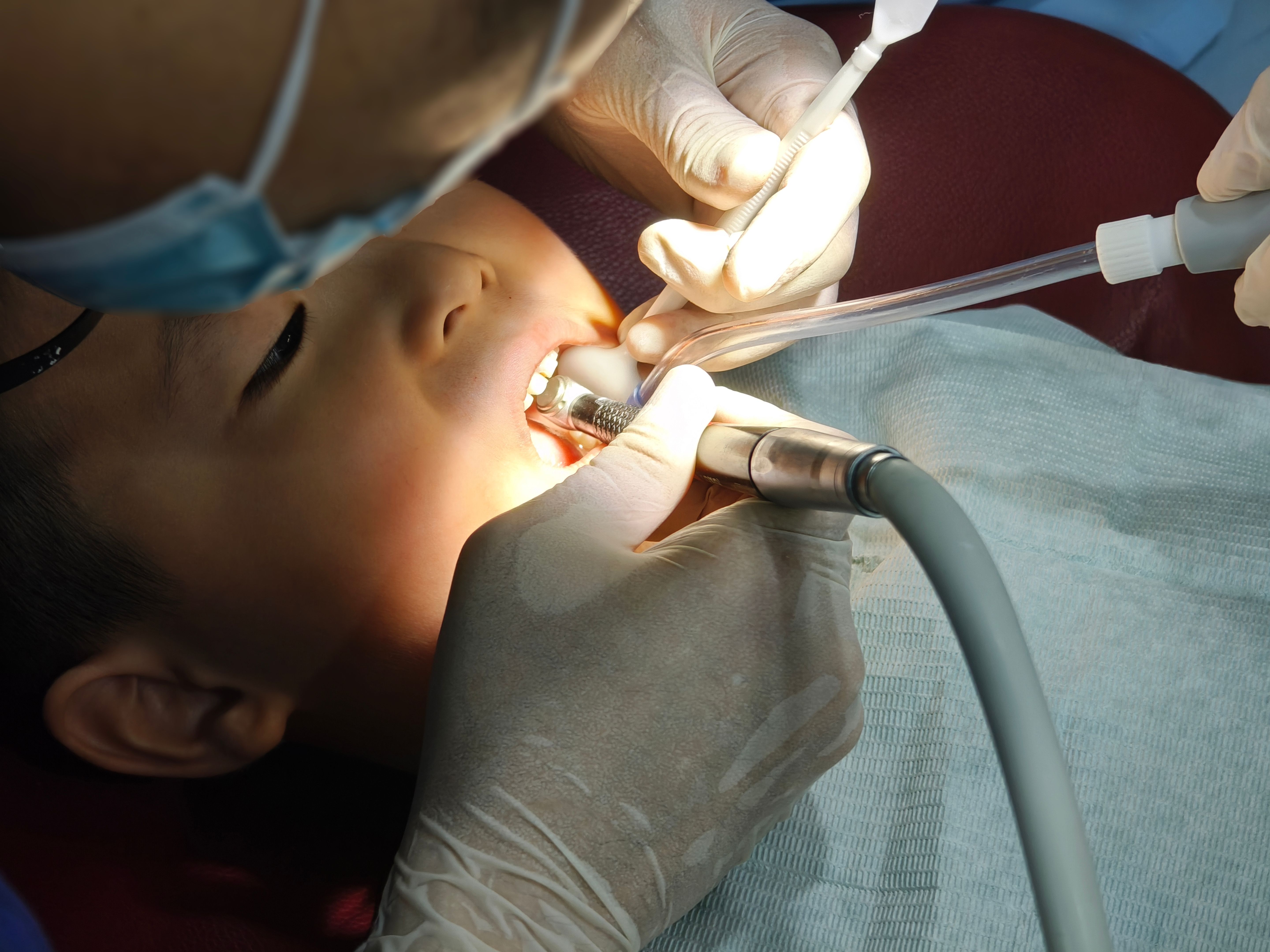
Demo models facilitate effective communication between the dentist and the patient. They provide a platform for dentists to explain the intricacies of a procedure, such as the step-by-step process, potential risks, and expected results.
Using demo models, dentists can tailor their explanations to a patient’s specific needs and concerns, ensuring a personalized approach to treatment plans. This customization can significantly enhance patient satisfaction and treatment adherence.
Enhancing Patient Engagement
Engaged patients are more likely to follow through with treatment recommendations. Demo models encourage patients to ask questions, voice concerns, and express preferences. This active participation leads to a more collaborative decision-making process, ultimately improving treatment outcomes.

Types of Demo Models
There are various types of demo models available to suit different dental practices. Some common options include:
- Orthodontic Models: Showcases braces, aligners, and the movement of teeth over time.
- Restorative Models: Illustrates crowns, bridges, and implants.
- Periodontal Models: Displays gum disease progression and treatment.
Choosing the right model for your practice depends on the treatments you offer and the specific needs of your patients.
Integrating Demo Models into Your Practice
Integrating demo models into your practice is straightforward. Place them in consultation rooms where they can be easily accessed during patient discussions. Ensure that your staff is trained to use these models effectively, enhancing their role in patient education.

Conclusion
Incorporating demo models into your dental practice is an excellent strategy to boost treatment uptake. By enhancing patient understanding, building trust, and fostering engagement, these models can significantly improve the dentist-patient relationship and treatment outcomes. Embrace this powerful tool and watch your practice thrive.