A Complete Guide to Dental Restoration Options Using 3D Models


Understanding Dental Restoration
Dental restoration is a critical aspect of oral health care, focusing on repairing and restoring damaged or missing teeth. With advancements in technology, dental professionals can now use 3D models to enhance the accuracy and efficiency of these procedures. This guide will explore various dental restoration options that leverage 3D modeling technology.
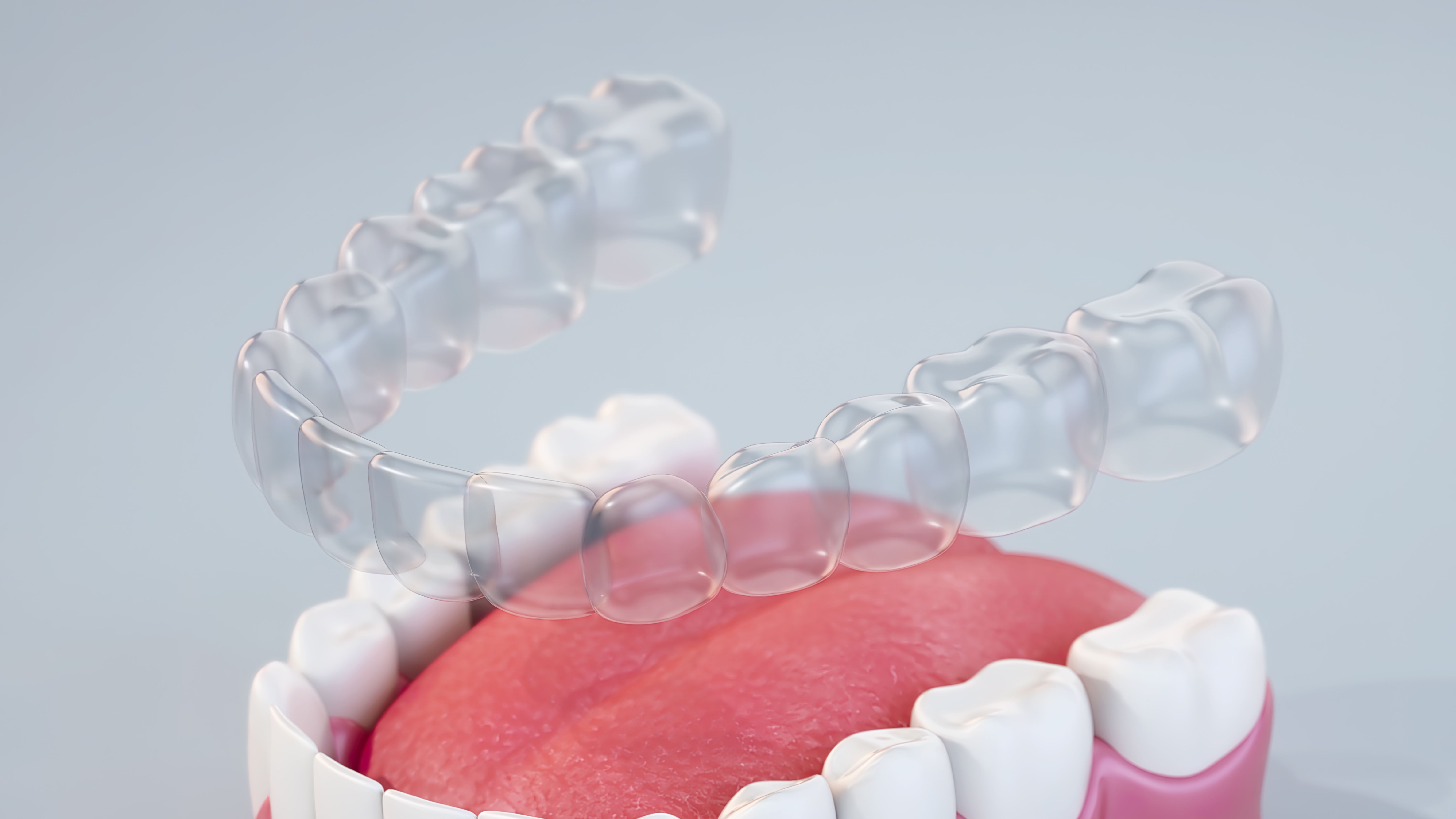
What Are 3D Models in Dentistry?
3D models in dentistry are digital representations of a patient's teeth and oral structure. These models are created using advanced imaging techniques such as 3D scanning and computer-aided design (CAD). The precision of these models allows dentists to plan treatments with unparalleled accuracy, resulting in better outcomes for patients.
Types of Dental Restoration Options
Crowns and Bridges
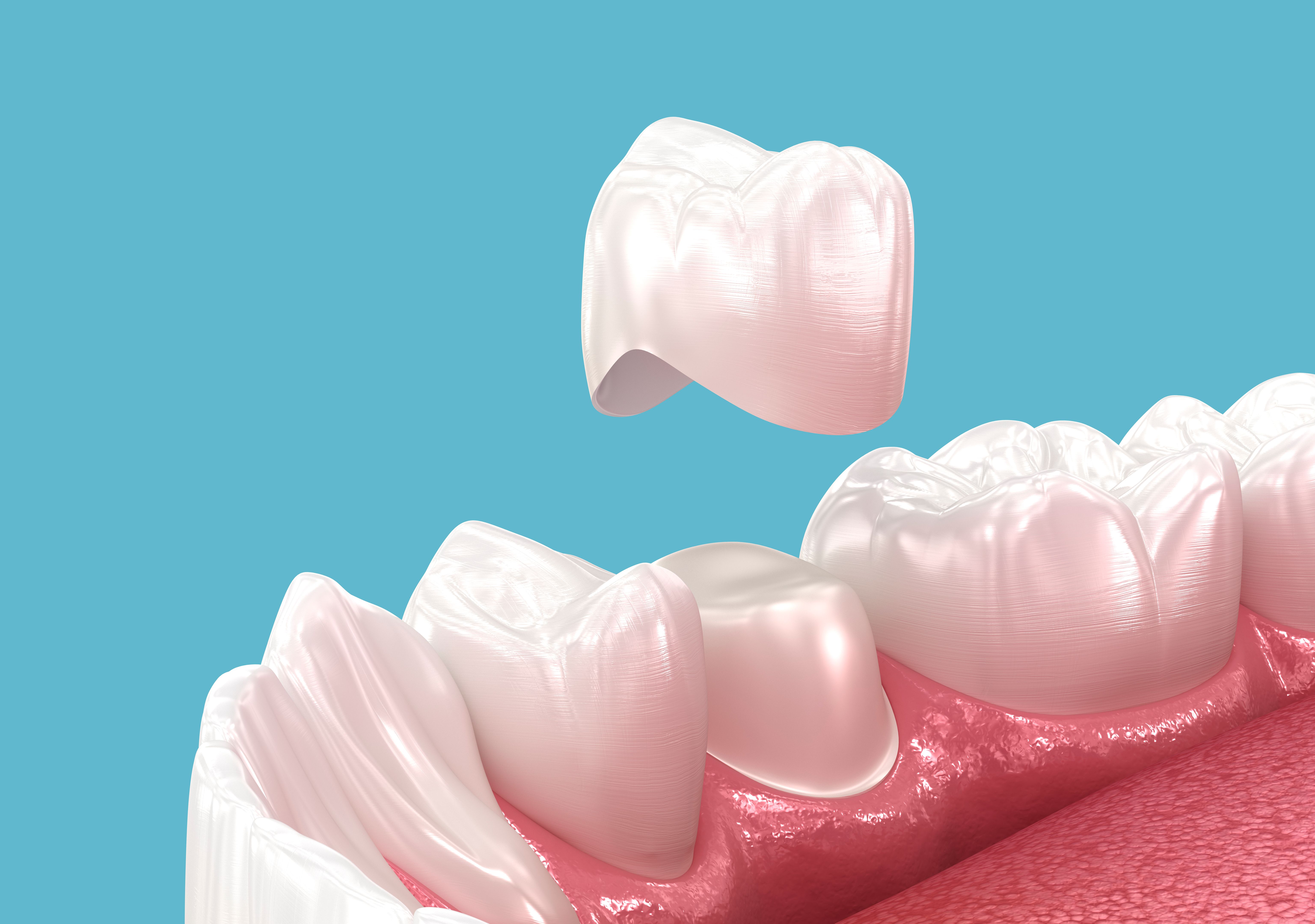
Crowns and bridges are common dental restorations used to cover damaged teeth or fill gaps between teeth. With 3D modeling, dentists can design custom crowns and bridges that fit perfectly, enhancing comfort and functionality. The digital process also speeds up production, ensuring quicker treatment times.
Dental Implants
Dental implants are a popular choice for replacing missing teeth. Using 3D models, dentists can plan the implant placement with high precision, minimizing risks and ensuring a natural feel and look. This technology allows for virtual simulation of the procedure, offering patients a clear understanding of the expected results.
Benefits of Using 3D Models
Increased Accuracy
One of the main advantages of using 3D models is the increased accuracy in treatment planning. By accurately mapping a patient's oral anatomy, dentists can create restorations that are tailored specifically to individual needs. This precision helps in reducing the likelihood of adjustments or remakes.
Enhanced Patient Experience
3D modeling technology enhances the overall patient experience by reducing chair time and improving the fit and function of dental restorations. Patients can see a virtual representation of their treatment plan, which helps in making informed decisions and setting realistic expectations.
Conclusion
3D models are revolutionizing the field of dental restoration, offering numerous benefits over traditional methods. From improved accuracy to a better patient experience, these technologies are setting new standards in dental care. As more practices adopt this technology, patients can look forward to more effective and efficient dental treatments.